Guide
Luxury Bathroom Trends from Milan Design Week 2026
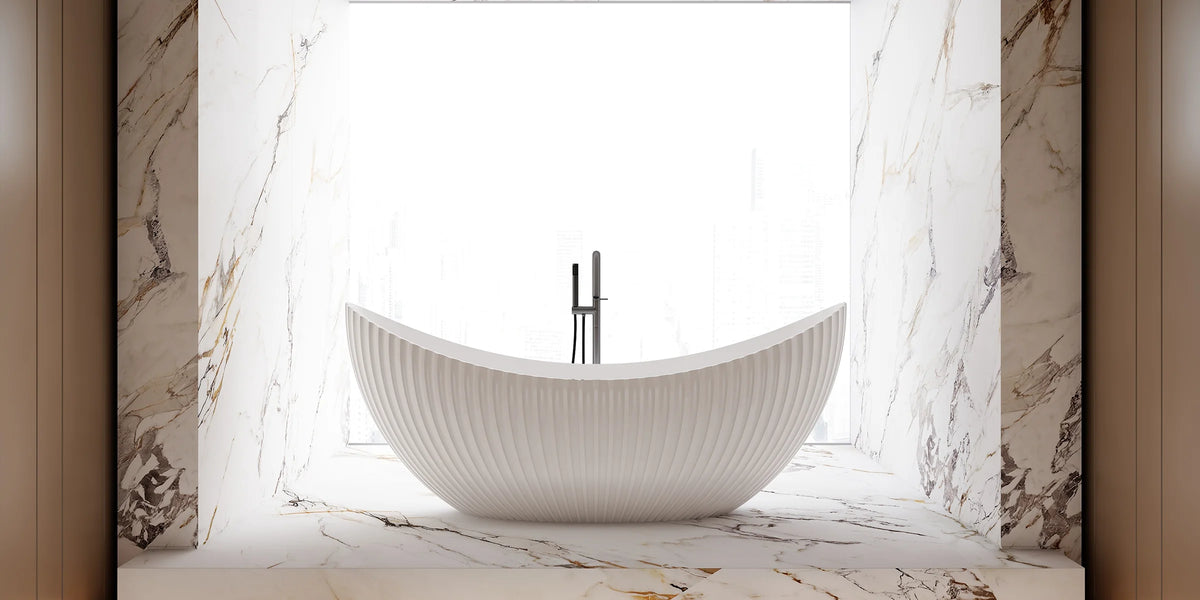
Published by Monblari® April 2026 Luxury Bathroom Trends from Milan Design Week 2026 Every April, Milan becomes the center of the global design conversation. From furniture and lighting to architecture and interiors, Milan Design Week continues to influence how modern living spaces are imagined around the world. In 2026, bathroom design emerged as one of the most refined categories at the exhibition. Across installations, curated spaces, and immersive interior showcases, a clear direction began to take shape: bathrooms are becoming quieter, softer, and more architectural. Rather than focusing purely on functionality, today’s luxury bathroom is designed as an emotional environment—one that balances comfort, materiality, and atmosphere.Among the strongest themes seen throughout Milan this year was the continued evolution of the freestanding bathtub. No longer treated as a secondary fixture, the bathtub has become a sculptural centerpiece capable of defining the entire room around it. Why Milan Design Week Continues to Shape Global Bathroom Design Milan Design Week is more than an exhibition—it is where global design language evolves.For luxury interiors, the event often reveals what homeowners, architects, and designers will prioritize over the next several years. In 2026, bathroom trends reflected a clear movement away from overly polished minimalism toward spaces that feel warmer, quieter, and more intentional.Several themes consistently appeared across this year’s showcases: Soft architectural silhouettes Natural tactile materials Warm neutral palettes Matte finishes and textured surfaces Sculptural freestanding bathtubs Spaces designed for wellness and calm This shift reflects a broader transformation in luxury design. Today, luxury is increasingly defined not by excess, but by restraint and thoughtful design decisions. The Rise of Sculptural Freestanding Bathtubs One of the most noticeable bathroom trends at Milan Design Week 2026 was the growing emphasis on sculptural freestanding bathtubs. Rather than blending into the room, modern bathtubs are now designed to anchor the entire space visually. Rounded forms, softened edges, and monolithic silhouettes dominated many of the showcased interiors.The freestanding bathtub is no longer viewed simply as a functional product—it is becoming an architectural object.In many contemporary bathrooms, the bathtub now influences circulation, lighting, and spatial balance. Designers are increasingly positioning tubs near natural light, textured walls, and open floor plans to create a more immersive bathing experience. This movement toward sculptural forms reflects a larger shift in interior design: products are expected to contribute emotionally to the atmosphere of the space—not simply perform a function. Materials That Defined Milan in 2026 Materiality played a defining role throughout this year’s exhibition. Across luxury bathroom displays, designers focused heavily on tactile surfaces and authentic finishes.Rather than glossy perfection, many spaces embraced subtle texture, matte materials, and organic visual depth.Trending Bathroom Materials in 2026 Material Design Expression Trend Direction Stone Resin Sculptural & architectural Quiet luxury Matte Acrylic Soft minimalism Contemporary wellness Natural Stone Organic & timeless Spa-inspired interiors Brushed Metal Warm industrial Refined contrast Textured Plaster Mediterranean influence Soft architectural spaces Among these materials, stone resin and matte composite finishes stood out especially instone resin bathtub collection for their ability to balance durability with visual softness.These surfaces interact beautifully with natural light, helping create calm and understated bathroom environments. Quiet Luxury and Soft Minimalism Another defining direction at Milan Design Week 2026 was the continued rise of quiet luxury.Unlike traditional luxury design, which often emphasized visual complexity, quiet luxury focuses on atmosphere, proportion, and restraint.Bathrooms showcased this trend through: Warm neutral palettes Minimal visual clutter Soft indirect lighting Seamless material transitions Curved architectural forms Open spatial layouts This design approach creates spaces that feel calm rather than performative. The goal is not to impress instantly, but to create an environment that feels balanced and timeless over time.Freestanding bathtubs fit naturally into this aesthetic because they introduce softness and sculptural presence without overwhelming the room. How Bathtubs Became Architectural Centerpieces One of the clearest insights from Milan this year was how bathroom products are increasingly treated as part of the architecture itself.Rather than being placed against walls or hidden within layouts, freestanding bathtubs are now positioned intentionally within the room—almost like furniture or sculpture.Designers are using bathtubs to create: 1.Spatial symmetry2.Visual focal points3.Organic movement within interiors4.Emotional connection through form5.This approach transforms the bathroom into a more immersive environment focused on 6.comfort, stillness, and experience.The growing popularity of freestanding bathtubs also reflects changing homeowner expectations. Bathrooms are no longer designed solely for utility—they are increasingly designed for restoration and everyday wellness. What Homeowners Can Learn from Milan Bathroom Trends While many Milan interiors are highly conceptual, several ideas can be applied directly to modern residential bathrooms. Trend Practical Application Sculptural bathtubs Use freestanding tubs as visual focal points Warm minimalism Choose soft neutrals and natural textures Matte materials Reduce glare and create softer interiors Open layouts Improve visual spaciousness Layered lighting Combine ambient and accent lighting Even smaller bathrooms can adopt elements of these trends through material choices, lighting, and spatial simplicity.The key lesson from Milan is that luxury is increasingly tied to emotional comfort—not visual excess. The Future of Luxury Bathroom Design As bathroom design continues to evolve, the focus is shifting toward environments that feel timeless, calming, and deeply intentional.The strongest interiors at Milan Design Week 2026 shared a common philosophy: design should improve how a space feels, not simply how it looks.Freestanding bathtubs, tactile materials, and quiet architectural forms all contribute to this direction.Rather than following short-term trends, modern luxury bathrooms are embracing longevity, authenticity, and understated elegance. Final Thoughts Milan Design Week 2026 revealed a new direction for luxury bathroom design—one centered on softness, balance, and architectural simplicity.Freestanding bathtubs have become more than functional fixtures. They now serve as sculptural elements that shape the atmosphere of the entire room.As homeowners increasingly seek spaces that support wellness and intentional living, these design principles are likely to continue influencing modern interiors well beyond 2026.The future of bathroom design is quieter, warmer, and more refined than ever before. About Monblari® Monblari® explores contemporary bathroom design through a balance of material innovation, architectural simplicity, and modern wellness living. Inspired by global design culture and timeless interiors, our collections reflect a quieter approach to luxury.
Learn moreEco-Friendly Bathtub: The 2026 Sustainable Bathtub Buying Guide
Introduction: A New Standard for Sustainable Luxury Luxury in 2026 is no longer defined by appearance alone—it is shaped by the choices behind the design. Materials, manufacturing processes, and long-term performance now play an equally important role. At the center of this shift is the eco friendly bathtub, a product that reflects both modern design and environmental responsibility. This guide will help you understand what makes a bathtub truly sustainable—and how to choose the best eco friendly bathtub for your space. For today’s homeowner, sustainability is not a compromise. It is a smarter, more refined way to live. What Makes a Bathtub Eco Friendly? Not all “green” products deliver real sustainability. A truly eco friendly bathtub is defined by its full lifecycle—from raw materials to long-term use. Key Factors to Consider 1.Material SafetyNon-toxic, responsibly sourced materials2.Manufacturing ImpactLow emissions and energy-efficient production3.DurabilityLong lifespan reduces replacement waste4.End-of-Life PotentialRecyclable or restorable materials Choosing a bathtub based on these factors ensures both environmental responsibility and long-term value. Best Eco Friendly Bathtub Materials Material selection plays a critical role in sustainability and performance. Material Comparison Material Sustainability Design Appeal User Experience Best For Acrylic ⭐⭐⭐⭐☆ Modern, versatile Warm, lightweight Most homes Stone Resin ⭐⭐⭐⭐⭐ Architectural, natural Solid, immersive Luxury spaces Cast Iron ⭐⭐⭐⭐☆ Classic, durable Heavy, long-lasting Traditional designs Expert Insight For most modern homes, high-quality acrylic offers the best balance of sustainability, performance, and design flexibility. Meanwhile, stone resin provides a more premium, long-lasting solution for high-end interiors. How to Choose the Best Eco Friendly Bathtub Selecting the right bathtub requires more than just choosing a material. 1. Consider Long-Term Use A durable bathtub that lasts 10–15 years is more sustainable than one replaced every few years. Water Efficiency: Using Less While Enjoying More Sustainability is not just about materials—it’s also about how water is used. Usage Type Water Volume Design Strategy Standard Bath 45–55 gallons Efficient depth design Deep Soak 50–65 gallons Ergonomic shaping Oversized Tub 70+ gallons Less efficient A well-designed eco friendly bathtub achieves a deeper soaking experience through shape—not excessive water use. Pros and Cons of Eco Friendly Bathtubs Advantages 1.Lower environmental impact2.Better durability and longevity3.Improved energy efficiency4.Modern, high-end design appeal Considerations 1.Higher upfront cost2.Requires informed material selection3.Not all “eco” claims are equal Understanding these trade-offs helps you make a more informed decision. Design That Lasts: Sustainability Through Timelessness True sustainability goes beyond materials—it includes design longevity.In 2026, key design directions include: Soft MinimalismBalanced proportions and subtle curvesArchitectural PresenceSculptural forms that define the spaceMaterial AuthenticityNatural textures and honest finishes A timeless bathtub reduces the need for replacement, making it inherently more sustainable. Who Should Choose an Eco Friendly Bathtub? An eco friendly bathtub is ideal for homeowners who value:Long-term performance over short-term trendsSustainable materials and responsible productionA refined, minimalist design approachIt’s not just about being environmentally conscious—it’s about making better design decisions. FAQ: Eco Friendly Bathtubs What is the most eco friendly bathtub material?Stone resin and high-quality acrylic are among the most sustainable options. Are eco friendly bathtubs more expensive?They may have a higher upfront cost but often last longer, reducing long-term expenses. Do eco friendly bathtubs save water?Yes, especially when designed with efficient depth and ergonomic shaping. Is acrylic an eco friendly material?Modern acrylic can be environmentally friendly due to its durability, lightweight nature, and long lifespan. Conclusion: Sustainability as the New Luxury In today’s homes, luxury is no longer about excess—it’s about intention. An eco friendly bathtub represents this shift, combining thoughtful design with responsible materials and long-term performance. By choosing the right bathtub, you are not only improving your daily experience—you are making a decision that lasts. 2. Evaluate Heat Retention Better insulation reduces the need for reheating water, saving energy over time. 3. Check Weight and Installation Impact Lightweight materials reduce transportation emissions and structural requirements. 4. Focus on Timeless Design Trends fade quickly. Choosing a design that lasts reduces waste and replacement cycles.
Learn moreMonblari® Stone Finishes Aftercare Guide
Care as a Way of Living In a well-designed home, every detail is intentional. Monblari® stone finishes are not simply surfaces—they are part of a daily experience shaped by touch, light, and time. This stone finishes aftercare guide is designed to help you care for these materials in a way that preserves both their performance and their presence. With a thoughtful approach, maintenance becomes effortless, and the space retains its original sense of calm and refinement. Daily Care for Stone Finishes Refined spaces are not defined by effort, but by consistency. Small daily habits can significantly extend the life and appearance of stone surfaces. A quick rinse after each use helps prevent residue from building up over time. This is especially important in bathroom environments, where soap and minerals can accumulate quickly. Gently drying the surface with a soft cloth helps maintain clarity, particularly in regions with hard water. Proper ventilation also plays an important role. Allowing airflow throughout the space helps reduce moisture buildup and supports both the surface and the surrounding environment. Together, these simple routines form the foundation of effective stone surface care. Understanding Monblari® Stone Finishes Monblari® stone finishes are designed with a balance of durability and tactile softness. Each surface is crafted to age naturally, developing subtle character over time while maintaining structural integrity. Solid Stone & Cast Stone Care Solid stone and cast stone finishes are defined by their seamless appearance and architectural presence. To maintain their quality, it is best to use mild, pH-neutral cleaners and soft cloths or non-abrasive sponges. Regular, gentle cleaning is more effective than occasional intensive treatment. Minor surface marks can often be restored with light refinishing if needed, while waxes or artificial coatings should be avoided, as they may alter the natural texture. Consistency is key—this approach preserves both the look and feel of the material over time. Natural Stone–Inspired Finishes Care Stone-inspired finishes offer depth, texture, and subtle variation. These surfaces respond well to stone-safe, non-acidic cleaning products. Spills should be addressed promptly by blotting rather than wiping, reducing the risk of absorption. In some cases, periodic sealing may be recommended to maintain performance. Over time, these finishes develop a soft patina—a natural evolution that enhances their visual character rather than diminishing it. How to Prevent Water Marks on Stone Surfaces In many parts of the United States, hard water is a common environmental factor. Over time, mineral deposits can leave visible marks on stone finishes if not managed properly. To minimize this, drying the surface after use is one of the most effective steps. For long-term improvement, optional enhancements such as water softening systems or filtered fixtures can help reduce mineral buildup. These adjustments support ongoing stone surface maintenance while preserving clarity with minimal effort. Occasional Deep Cleaning for Stone Finishes Monblari® stone finishes do not require intensive maintenance, but occasional deep cleaning helps restore balance. A simple method is to use warm water combined with a gentle, non-abrasive cleanser. Allow the solution to sit briefly on the surface before wiping clean with a soft cloth. This process removes buildup without damaging the material. The goal is not to over-clean, but to maintain the surface in a way that respects its natural composition. FAQ – Stone Finishes Aftercare How often should I clean stone finishes?Light daily care combined with occasional deeper cleaning is typically sufficient. What type of cleaner should I use on stone surfaces?Use pH-neutral, non-acidic cleaners designed for stone materials. Can stone finishes be damaged by harsh chemicals?Yes, acidic or abrasive cleaners can damage the surface and should be avoided. Do stone finishes require sealing?Some finishes may benefit from periodic sealing, depending on usage and environment. How do I remove water marks from stone surfaces?Regular drying and gentle cleaning usually prevent and remove minor mineral buildup. A Lasting Presence True luxury is not defined by how something looks on day one, but by how it evolves over time. With considered care, Monblari® stone finishes remain a quiet constant—bringing comfort, clarity, and understated elegance into everyday living. Proper stone finishes aftercare ensures that each surface continues to perform beautifully while aging with intention.
Learn moreHow Much Space Do You Need for a Freestanding Bathtub?
Introduction: Designing a Bathroom That Feels Intentional In today’s U.S. homes, the bathroom has evolved far beyond a purely functional space. It’s where design, comfort, and daily rituals come together, shaping how we start and end each day. At the center of this transformation is the freestanding bathtub—an architectural feature that brings both visual presence and everyday usability into the room. But before choosing a style, material, or finish, one question matters most: how much space do you actually need for a freestanding bathtub? Many homeowners begin by researching standard tub size, bathtub dimensions, or average bathtub size. While these are useful starting points, they don’t fully answer how a tub will function within a real space. A well-designed bathroom considers not only the bathtub size, but also circulation, layout, and how the tub interacts with the surrounding environment. What Is a Standard Bathtub Size in the U.S.? Most U.S. homes are built around a familiar baseline when it comes to standard bathtub dimensions. A typical bathtub is about 60 inches long, 30 inches wide, and 20 to 22 inches high. These measurements are commonly referred to as standard tub size or standard bathtub dimensions and are widely used in alcove installations. However, a freestanding bathtub is not restricted by these limits. Unlike built-in tubs, freestanding models offer more flexibility in both size and placement. Today’s designs range from compact tubs suited for smaller bathrooms to larger soaking tubs designed for comfort and relaxation. Understanding Bathtub Dimensions That Actually Matter While standard measurements provide a helpful reference, choosing the right bathtub comes down to how those dimensions translate into real comfort. Bathtub length, for example, plays a key role in usability. While 60 inches is considered standard, smaller spaces may benefit from a 55-inch tub, while taller users or those seeking a more relaxed soak often prefer lengths between 66 and 72 inches. Width also affects both comfort and layout. Most bathtubs are around 30 inches wide, but freestanding tubs can be slightly wider, offering more interior space while requiring additional room in the layout. Height, or depth, is equally important—especially for soaking tubs. Standard tubs range from 20 to 24 inches high, while deeper designs allow for a more immersive bathing experience. Common Bathtub Sizes at a Glance To make planning easier, most residential bathtubs fall into a few standard size categories. While exact dimensions may vary, the table below provides a quick reference for common bathtub types used in U.S. homes. Type Length Width Height Use Case Alcove bathtub 60" 30" 20" Standard home installations Freestanding tub 55–72" 27–32" 22–26" Design-focused layouts Soaking tub 60–72" 30–36" 24–26" Spa-style soaking experience These ranges reflect typical bathtub dimensions found in modern bathrooms. A freestanding bathtub offers greater flexibility, but also requires more thoughtful planning. Types of Bathtubs and Their Space Requirements Different types of bathtubs require different amounts of space, which directly affects how your bathroom is planned. Alcove bathtubs are built into three walls and are the most space-efficient option, making them ideal for compact layouts. Drop-in tubs are installed into a deck or platform, allowing for more customization but requiring additional structure. Freestanding bathtubs, on the other hand, require open space around them. Because they are not attached to walls, they naturally become the focal point of the room. This means that beyond bathtub size, you must also consider how much space surrounds the tub and how it fits within the overall layout. How Much Space Do You Need Around a Freestanding Bathtub? This is the most important factor—and where many bathroom designs fall short. Even if you choose the correct bathtub size, inadequate spacing can make the room feel cramped and uncomfortable. As a general guideline, you should allow at least 6 inches of clearance around the tub. For a more comfortable layout, 12 inches is recommended, while the entry side should have 24 to 30 inches of space for safe and easy access. In well-designed bathrooms, spacing is intentional. The openness around a freestanding bathtub is what creates a sense of balance, comfort, and luxury. Matching Tub Size to Bathroom Size Choosing the right freestanding bathtub is not just about dimensions—it’s about proportion. In smaller bathrooms, compact tubs or alcove designs are often more practical. Mid-size bathrooms can accommodate a standard freestanding bathtub with proper clearance, while larger bathrooms allow for oversized soaking tubs that act as a design statement. The goal is always the same: the bathtub should feel integrated within the space, not oversized or out of place. How to Measure a Bathtub Properly If you are planning a renovation or replacing an existing tub, accurate measurements are essential. Start by measuring the overall length, width, and height of the bathtub, then check the internal soaking depth to ensure comfort. Taking precise measurements helps avoid installation issues and ensures the bathtub fits seamlessly within your layout. Structural Considerations You Shouldn’t Overlook One often overlooked factor is weight. A filled bathtub can exceed 1,000 pounds, particularly for larger soaking tubs made from heavier materials. This is especially important for upper-floor installations, where additional structural support may be required. Planning ahead helps prevent costly structural adjustments later. Why Space Defines Luxury in Bathroom Design In modern American interiors, luxury is no longer defined by size alone—it’s defined by how space is used. A freestanding bathtub should feel visually open, not confined. Avoid placing it too close to walls, and when possible, use symmetry to create a balanced layout. Even standard bathtub dimensions can feel elevated when combined with thoughtful spacing and intentional design. Final Planning Checklist Before finalizing your bathroom design, make sure you have considered all key factors. Confirm your bathtub size, allow proper clearance, plan plumbing placement, check floor load capacity, and review the overall visual balance of the space. Final Thoughts: Measure with Purpose, Design with Confidence A freestanding bathtub is more than just a fixture—it’s a reflection of how a space is designed and experienced. Whether you are working with standard bathtub dimensions or exploring larger soaking tub sizes, the goal remains the same: to create a bathroom that feels open, comfortable, and intentionally designed.
Learn moreLuxury Freestanding Bathtub: 2026 Buyer’s Guide
Discover how a Luxury Freestanding Bathtub can transform your bathroom into a tranquil sanctuary. This guide offers insights on design trends, material choices, and space planning, ensuring you make the best investment for comfort and style in your home.
Learn moreTransparent Resin Bathtub: 2026 Buyer’s Guide
Discover what a transparent resin bathtub is, its benefits, material comparison, and how to choose the best transparent bathtub for modern luxury bathrooms in 2026. Introduction: A New Statement in Modern Bathrooms A transparent resin bathtub is redefining modern bathroom design in 2026. No longer just a functional space, today’s bathrooms are designed for relaxation, wellness, and visual impact. With its crystal-clear appearance and sculptural form, a transparent bathtub brings a sense of openness and elegance to the space. It interacts beautifully with lighting, stone, and wood elements, making it a centerpiece in luxury interiors. As homeowners and designers seek materials that combine performance with aesthetics, the resin bathtub has quickly become a preferred choice in contemporary bathroom projects. What Is a Transparent Resin Bathtub? A transparent resin bathtub is crafted from advanced composite resin materials designed for strength, durability, and clarity. Unlike traditional tubs, a bath transparent design allows light to pass through the material, creating a subtle glow under ambient lighting. This unique effect enhances the depth and atmosphere of the bathroom. These bathtubs are often freestanding and integrate seamlessly with modern design elements, making them both functional and artistic. Why Resin Tubs Are Trending in Luxury Bathrooms In recent years, resin bathtubs have gained popularity among architects and interior designers. This trend is driven by improvements in composite materials, allowing manufacturers to create bathtubs that are both durable and visually refined. Key reasons include: Sculptural and modern appearance Strong design flexibility Comfortable and smooth surface Long-lasting composite structure Unique transparent bathtub aesthetics These features make them ideal for luxury homes, boutique hotels, and design-focused spaces. What Tub Material Is Best? (Comparison Guide) When planning a renovation, many homeowners ask:What tub material is best? The answer depends on durability, maintenance, comfort, and design style. Bathtub Material Comparison Material Design Appeal Heat Retention Durability Maintenance Best For Transparent Resin ⭐⭐⭐⭐⭐ ⭐⭐⭐⭐ ⭐⭐⭐⭐ Easy Modern luxury bathrooms Acrylic ⭐⭐⭐ ⭐⭐⭐ ⭐⭐⭐ Easy Budget-friendly projects Cast Iron ⭐⭐⭐⭐ ⭐⭐⭐⭐⭐ ⭐⭐⭐⭐⭐ Medium Classic styles Solid Surface ⭐⭐⭐⭐ ⭐⭐⭐⭐ ⭐⭐⭐⭐ Easy Premium interiors A composite bathtub made from resin offers one of the best balances between performance and modern aesthetics. 7 Key Benefits of a Transparent Resin Bathtub Benefit Description Why It Matters Stunning Visual Transparency Creates a soft lighting effect through the tub material Enhances bathroom ambiance Luxury Design Statement Acts as a focal point in high-end interiors Elevates space value Excellent Heat Retention Keeps water warm longer Improves comfort Durable Composite Structure Resistant to cracks and impacts Ensures long-term use Smooth Non-Porous Surface Prevents dirt buildup Easy maintenance Flexible Design Possibilities Allows custom shapes and styles Design freedom Perfect for Modern Bathrooms Fits minimalist and luxury designs Seamless integration A transparent resin bathtub combines both visual elegance and durability, making it one of the best choices for contemporary bathrooms. How to Choose the Best Transparent Resin Bathtub Choosing the right bathtub requires balancing design, comfort, and long-term performance. Key Factor What to Look For Why It’s Important Design & Ergonomics Body-supporting curves and comfortable depth Enhances relaxation Material Quality & Transparency High-grade resin with UV resistance Prevents yellowing Durability & Maintenance Non-porous, scratch-resistant surface Easy cleaning Installation Considerations Proper plumbing and floor support Ensures safety Are Transparent Resin Bathtubs Durable? Yes, modern resin bathtubs are engineered for durability and daily use. Strong structural integrity Resistance to discoloration Easy cleaning surfaces With proper care, a transparent bathtub can maintain its appearance and performance for many years. FAQ: Transparent Resin Bathtub 1. Are transparent resin bathtubs safe?Yes, they are made from strong composite materials designed for safe daily use. 2. Do transparent bathtubs turn yellow?High-quality resin materials are UV-resistant and maintain clarity over time. 3. Are resin bathtubs better than acrylic?Resin bathtubs offer better durability and a more premium appearance. 4. Is a transparent bathtub difficult to clean?No, the smooth surface makes cleaning simple and quick. 5. How long does a resin bathtub last?With proper maintenance, it can last for many years. 6. How much does a transparent resin bathtub cost?Prices vary depending on design and quality, typically positioned in the luxury segment. Conclusion: A Modern Choice for Luxury Bathrooms As bathroom design continues to evolve, materials that combine innovation, durability, and aesthetics are becoming essential. For those asking what tub material is best, a transparent resin bathtub offers a strong balance of performance and visual appeal. With its elegant transparency and sculptural presence, it transforms the bathroom into both a functional space and a design statement. For modern homes in 2026 and beyond, choosing a transparent bathtub is not just a design decision—it’s an investment in comfort, luxury, and contemporary style.
Learn moreReplacing a Bathtub Faucet: Step-by-Step Guide for Easy DIY Installation
Replacing a faucet in a bathtub doesn’t have to be hard. Follow this pro DIY guide to remove the old spout, install a new faucet, stop leaks, and save money in 1–2 hours.
Learn moreTub Tap Leaking? How to Fix a Leaky Bathtub Faucet
Tub tap leaking? Learn how to fix a leaky bathtub faucet fast. Find out why your tub faucet is leaking, including bathtub faucet leaking from spout, and stop the drip for good.
Learn moreHow to Clean My Bathtub: Best Way to Deep Clean & Sparkle
Discover how to clean my bathtub safely and effectively. Deep clean, remove soap scum, and make your tub sparkle using the best methods for every surface.
Learn more