Understanding What a Garden Tub Really Is
If you've ever browsed real estate listings in the United States, you've probably come across descriptions like "luxurious primary bathroom with a garden tub" or "spa-inspired ensuite featuring a large garden tub." The term appears frequently in home listings, renovation guides, and bathroom design magazines, yet many homeowners aren't entirely sure what makes a garden tub different from other bathtubs.
Is it simply a larger bathtub? Is it the same as a soaking tub? Can it have whirlpool jets? And perhaps most importantly, is a garden tub still a good investment in today's modern bathrooms?
The answer is more nuanced than many people expect.
Garden tubs have been a popular feature in American homes for decades. Originally introduced as a luxury upgrade in spacious primary bathrooms, they were designed to provide a deeper, more relaxing bathing experience than traditional built-in tubs. While bathroom design trends have evolved over the years, the garden tub remains a recognizable feature in many homes—and for good reason.
In this guide, we'll explain exactly what a garden tub is, why it's called a garden tub, how it compares to other bathtub styles, and whether it's still the right choice for homeowners in 2026.
What Is a Garden Tub?

A garden tub is a large, deep built-in bathtub designed primarily for comfortable soaking rather than everyday showering. Unlike a standard alcove bathtub that is installed against three walls and often combined with a shower, a garden tub is usually placed in a dedicated bathing area within a spacious primary bathroom.
Its defining characteristic isn't a specific shape or material—it's the emphasis on space and comfort.
Garden tubs are generally wider, deeper, and more spacious than conventional bathtubs, giving bathers plenty of room to stretch out and relax. Many are installed inside a tiled deck or platform, creating a built-in appearance that blends seamlessly with the surrounding bathroom design.
Although some homeowners assume that every large bathtub is a garden tub, that's not entirely accurate. A garden tub refers to a specific style of built-in soaking bathtub rather than simply a tub with generous dimensions.
Most garden tubs share several common characteristics:
| Feature | Garden Tub |
|---|---|
| Installation | Built into a deck or platform |
| Typical Shape | Oval or rectangular |
| Bathing Depth | Deeper than a standard bathtub |
| Water Capacity | Large |
| Primary Purpose | Comfortable soaking and relaxation |
| Typical Location | Primary or master bathroom |
Unlike whirlpool tubs, most traditional garden tubs do not include massage jets. Their appeal comes from generous soaking space rather than hydrotherapy features, although some modern models can be equipped with optional jets.
The overall goal is simple: create a bathing experience that feels more like a private spa than an everyday bathroom fixture.
Why Is It Called a "Garden Tub"?

One of the biggest misconceptions is that a garden tub is designed specifically for gardens or outdoor use. In reality, the name has little to do with landscaping.
The term became popular in North America during the 1980s and 1990s, when larger suburban homes began featuring spacious primary bathrooms as a symbol of luxury. Builders often positioned oversized bathtubs near large windows overlooking landscaped backyards or private gardens, allowing homeowners to enjoy natural light and peaceful views while bathing.
Over time, these oversized soaking tubs became widely known as garden tubs, even when they weren't actually located beside a garden.
As bathroom layouts evolved, the name remained. Today, "garden tub" refers more to the style and size of the bathtub than to its location within the home.
Although modern homes may replace large picture windows with contemporary design elements, the idea behind the garden tub remains the same: creating a comfortable retreat where homeowners can relax after a long day.
What Makes a Garden Tub Different?
At first glance, a garden tub may look similar to many other large bathtubs, but its design philosophy is quite different.
Traditional bathtubs are typically designed with efficiency in mind. They're compact enough to fit into standard bathroom layouts and often serve a dual purpose as both a bathtub and a shower.
A garden tub, on the other hand, prioritizes comfort over space-saving.
Instead of fitting into a narrow alcove, it usually occupies its own dedicated area within the bathroom. The additional width and depth allow for a more immersive soaking experience, making it easier to recline naturally without feeling cramped.
Many homeowners also appreciate the visual impact of a garden tub. Because these tubs are often surrounded by tiled decks, decorative stone, or custom cabinetry, they become a focal point rather than simply another plumbing fixture.
This emphasis on comfort and design explains why garden tubs became a signature feature of luxury homes throughout the United States and continue to appeal to homeowners looking to create a spa-like bathroom environment.
Why Homeowners Still Choose Garden Tubs
Despite the growing popularity of freestanding bathtubs, garden tubs continue to have a loyal following.
One reason is simple comfort. Their generous dimensions make them ideal for long, relaxing soaks, particularly for taller users who may find standard tubs restrictive. The built-in design also provides convenient ledges for candles, bath accessories, towels, or decorative items, helping create a personalized spa experience at home.
Another advantage is their seamless integration into larger bathrooms. In homes where space isn't a limitation, a garden tub can complement features such as double vanities, walk-in showers, and large windows to create a balanced, luxurious layout.
For families, the spacious interior can also be more practical. Parents bathing young children often appreciate the additional room, while couples may prefer the extra width for a more comfortable bathing experience.
Finally, many homeowners simply enjoy the timeless look of a well-designed garden tub. While bathroom trends continue to evolve, a thoughtfully designed soaking area still conveys a sense of comfort and everyday luxury that never truly goes out of style.
As we'll explore in the next section, however, a garden tub isn't always the best choice for every home. Modern freestanding tubs, soaking tubs, Roman tubs, and whirlpool tubs each offer their own advantages, and understanding the differences is essential before deciding which style best suits your bathroom.
Garden Tub vs. Other Bathtub Types, Standard Sizes & Pros and Cons
Now that we've covered what a garden tub is and why it became a staple in American homes, the next question is often the most important:
Is a garden tub actually the right choice for your bathroom?
The answer depends on your available space, lifestyle, renovation goals, and personal preferences. While garden tubs remain a favorite for homeowners who enjoy long, relaxing soaks, they're no longer the only option. Freestanding tubs, soaking tubs, Roman tubs, and whirlpool tubs have all grown in popularity, each offering unique advantages.
Understanding the differences between these bathtub styles will help you choose the one that best fits both your home and your daily routine.
Garden Tub vs. Freestanding Tub
This is the comparison many homeowners are making today.
Garden tubs became a symbol of luxury throughout the 1980s and 1990s because they offered generous bathing space and complemented large primary bathrooms. Today, however, many new homes and remodels are replacing built-in garden tubs with freestanding models that create a cleaner, more contemporary look.
Although both are designed for soaking, they offer very different experiences.
A garden tub is built into a surrounding deck or platform, making it feel integrated with the bathroom architecture. This installation provides convenient surfaces for toiletries, candles, towels, or decorative accessories and often blends naturally with traditional or transitional bathroom designs.
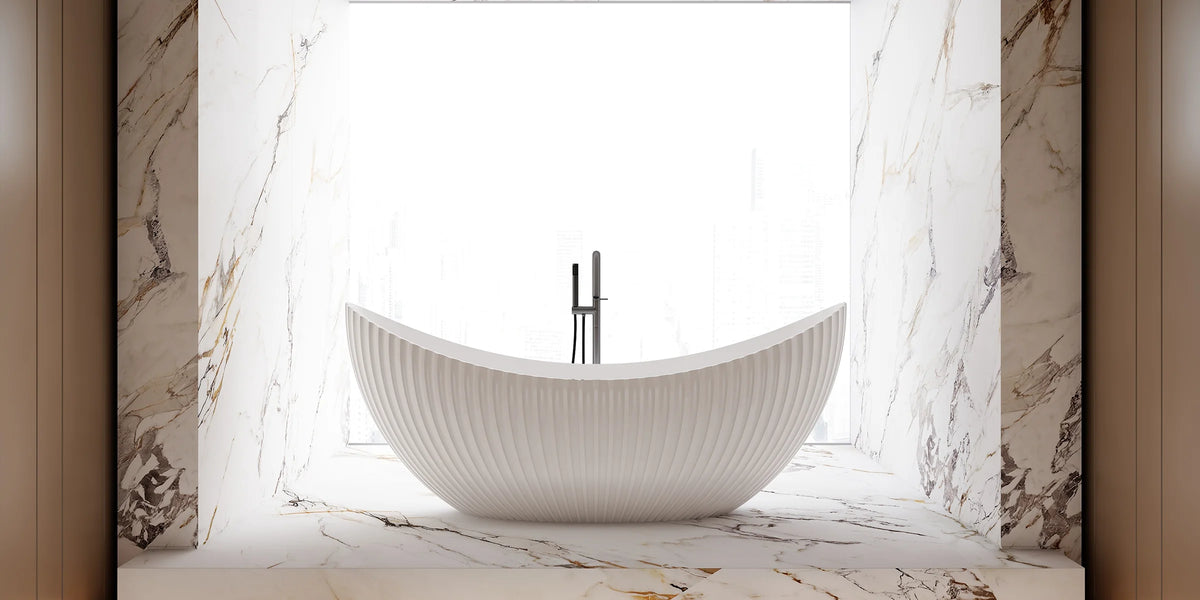
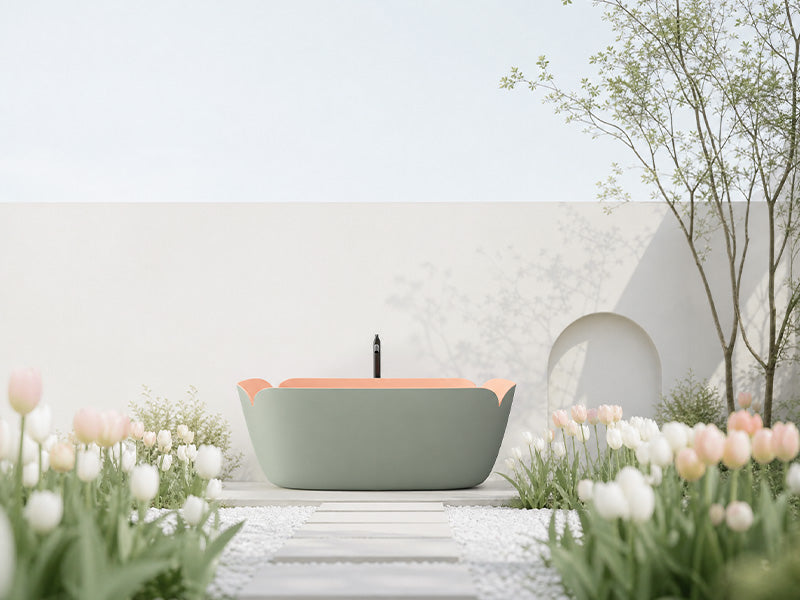
A freestanding tub, by comparison, stands independently as a centerpiece. Rather than being enclosed by tile or cabinetry, it's intended to draw attention and become the focal point of the room. This minimalist approach has become especially popular in modern and luxury bathroom renovations.
The comparison below highlights the key differences.
| Feature | Garden Tub | Freestanding Tub |
|---|---|---|
| Installation | Built into a deck or platform | Standalone installation |
| Appearance | Traditional, integrated | Modern, sculptural centerpiece |
| Bathroom Size | Best for larger bathrooms | Works in both medium and large bathrooms |
| Installation Cost | Higher due to framing and tile work | Usually simpler installation |
| Cleaning | Deck edges require more cleaning | Easy to clean around the exterior |
| Remodeling Flexibility | More difficult to replace | Easier to update in the future |
| Design Variety | Moderate | Extensive |
| Luxury Appeal | Classic | Contemporary |
Neither option is inherently better.
Homeowners renovating an older home often appreciate the built-in elegance of a garden tub, while those pursuing a minimalist aesthetic frequently prefer the visual impact of a freestanding bathtub.
Garden Tub vs. Soaking Tub
These two terms are often confused, but they aren't interchangeable.
A soaking tub describes a bathtub designed with extra depth to allow water to cover more of the body during bathing. It refers to the bathing experience rather than the installation method.
A garden tub, on the other hand, refers to a specific style of built-in bathtub that is typically larger than average and intended primarily for soaking.
In other words, many garden tubs are soaking tubs—but not every soaking tub is a garden tub.
For example, many modern freestanding stone resin bathtubs are also considered soaking tubs because they offer exceptional water depth despite having a completely different installation style.
| Feature | Garden Tub | Soaking Tub |
|---|---|---|
| Installation | Built-in | Built-in or freestanding |
| Purpose | Spacious bathing area | Deep water immersion |
| Typical Depth | Deep | Extra deep |
| Design Flexibility | Moderate | Wide variety of styles |
| Best For | Traditional bathrooms | Modern and traditional homes |
Understanding this distinction helps prevent confusion when shopping online, as manufacturers often use the term "soaking tub" to describe depth rather than a specific bathtub category.
Garden Tub vs. Whirlpool Tub
Although these bathtub styles can look similar from a distance, they serve different purposes.
A garden tub relies on warm water and generous space to create a relaxing bathing experience.
A whirlpool tub enhances relaxation through circulating water jets powered by an electric pump. These massage jets provide hydrotherapy benefits that some homeowners find helpful for relieving muscle soreness or improving circulation.
However, the added mechanical components also increase maintenance requirements. Pumps, plumbing lines, and jets require periodic cleaning to prevent buildup and maintain reliable performance.
For homeowners seeking simplicity, a traditional garden tub often offers the more practical solution.
| Feature | Garden Tub | Whirlpool Tub |
|---|---|---|
| Jets | Usually no | Yes |
| Maintenance | Low | Moderate to high |
| Operating Cost | Lower | Higher |
| Bathing Experience | Quiet soaking | Hydrotherapy massage |
| Cleaning | Simple | Requires routine jet cleaning |
If your goal is peaceful relaxation with minimal maintenance, a garden tub is often the easier choice.
Garden Tub vs. Roman Tub
The terms garden tub and Roman tub are sometimes used interchangeably, but they describe different concepts.
A Roman tub is typically characterized by its wide deck-mounted faucet and deeper bathing well, drawing inspiration from ancient Roman bathing traditions. The emphasis is often placed on the faucet design and the luxurious built-in presentation rather than the bathtub itself.
Many Roman tubs technically qualify as garden tubs because they share similar dimensions and installation methods.
However, not every garden tub features Roman-style fixtures.
For most homeowners, the distinction is less important than selecting a bathtub that fits the available space and complements the overall bathroom design.
Standard Garden Tub Sizes
One reason homeowners appreciate garden tubs is the generous interior space they provide.
Unlike standard bathtubs, which are designed to fit compact bathrooms, garden tubs are intended for larger primary bathrooms where comfort takes priority over maximizing floor space.
Although dimensions vary by manufacturer, several sizes have become common throughout the industry.
| Length | Width | Depth | Best For |
|---|---|---|---|
| 60 in. | 42 in. | 24 in. | Compact primary bathrooms |
| 60 in. | 60 in. | 24–26 in. | Corner installations |
| 66 in. | 42 in. | 24–26 in. | Average family homes |
| 72 in. | 42–48 in. | 26–28 in. | Luxury primary bathrooms |
Larger tubs naturally require more water and additional floor space, so it's important to verify that your bathroom can comfortably accommodate both the bathtub and the surrounding circulation area.
If you're planning a remodel, it's also worth checking whether your existing water heater has enough capacity to fill a larger soaking tub efficiently.
Internal Link Opportunity:
How Much Water Does a Bathtub Hold? A Complete Capacity Guide
Pros and Cons of a Garden Tub
Like any bathroom fixture, a garden tub offers clear advantages as well as a few potential drawbacks.
The best choice depends less on current design trends and more on how you plan to use your bathroom every day.
| Pros | Cons |
|---|---|
| Spacious and comfortable for soaking | Requires a larger bathroom |
| Adds a luxurious feel to the primary suite | Uses more water than a standard tub |
| Ideal for relaxing baths | Built-in installation is harder to remodel |
| Wide deck provides storage space | Surrounding deck requires more cleaning |
| Timeless traditional appearance | Takes up more floor space |
| Suitable for families and couples | Less flexible than freestanding tubs |
For homeowners with generous bathroom space who value comfort and long, relaxing baths, the advantages often outweigh the limitations.
On the other hand, if you're working with a compact floor plan or prefer a minimalist aesthetic, a freestanding soaking tub may offer greater flexibility while delivering a similarly luxurious bathing experience.
As we'll explore in the final section, today's homeowners are increasingly asking whether garden tubs are still relevant in modern bathroom design—and whether replacing an older garden tub with a freestanding model is a worthwhile investment. That decision depends on your home's layout, renovation budget, and long-term lifestyle goals, all of which we'll cover next.