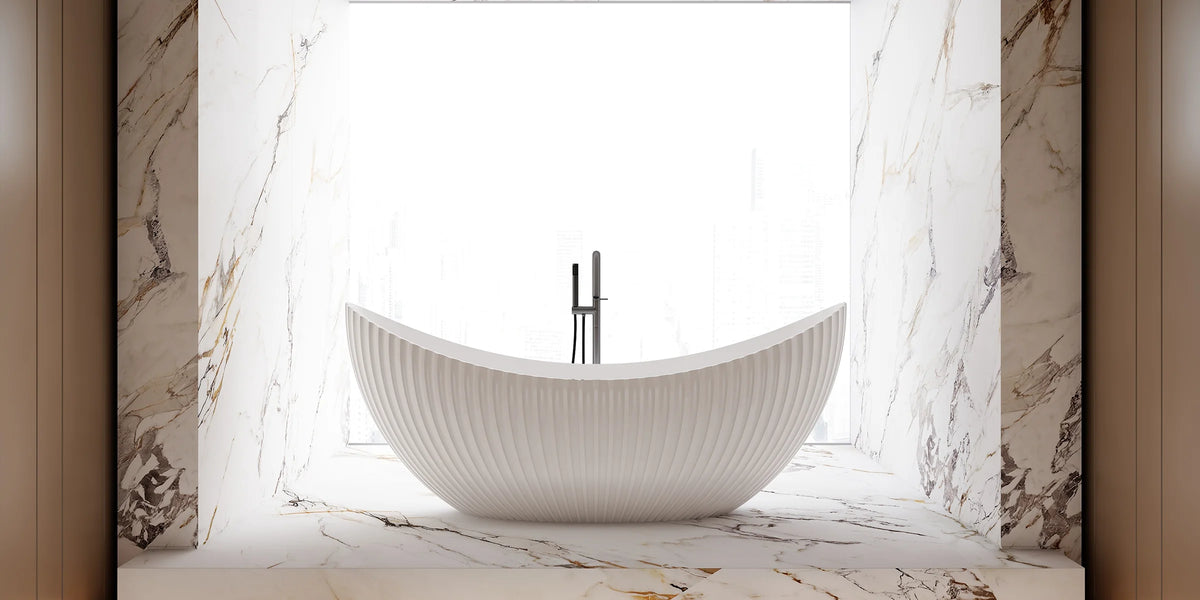
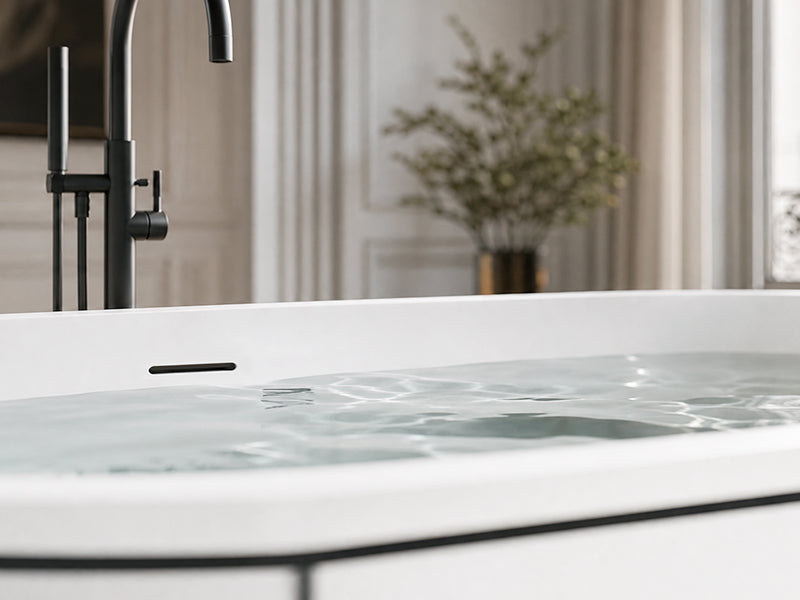
Few bathtub features are as overlooked as the overflow drain. Most homeowners notice it every time they take a bath—a small opening located a few inches below the rim of the tub—but rarely think about what it actually does. It isn't something people shop for, clean regularly, or replace very often. In fact, many don't even know its name until they encounter a leak or begin planning a bathroom renovation.
Despite its modest appearance, the overflow drain plays an important role in both the safety and functionality of a bathtub. Working quietly behind the scenes, it helps redirect excess water into the drainage system before it spills over the edge of the tub. At the same time, it forms part of the overall drain assembly, connecting with the main drain beneath the bathtub to create a complete wastewater system.
Whether you're choosing a new freestanding bathtub, replacing aging hardware, or simply curious about how your bathtub works, understanding the purpose of the overflow drain will help you make better decisions about installation, maintenance, and long-term care.
Before exploring the different styles and common problems, it's worth understanding why nearly every modern bathtub includes one.
Why Every Bathtub Has an Overflow Drain

Imagine filling a bathtub while answering a phone call or stepping away for just a few minutes. Without an overflow drain, water would continue rising until it eventually poured over the edge of the tub, potentially damaging flooring, walls, and even rooms below.
The overflow drain is designed to reduce that risk.
Positioned just below the top edge of the bathtub, the overflow opening provides a secondary path for water once it reaches a predetermined level. Instead of spilling onto the bathroom floor, excess water enters the overflow channel and flows directly into the same drainage system connected to the main tub drain.
Although an overflow drain is not intended to handle a continuously running faucet indefinitely, it provides valuable protection against accidental overfilling and has become a standard feature on most residential bathtubs.
For families with children, busy households, or anyone who enjoys filling the bathtub close to the top, this simple component offers an additional layer of protection that often goes unnoticed until it's needed.
What Is a Bathtub Overflow Drain?
A bathtub overflow drain is a built-in safety feature that allows excess bathwater to flow into the drainage system before it reaches the rim of the tub.
From the outside, it usually appears as a round or rectangular opening covered by a decorative plate. Behind that plate is a vertical overflow pipe connected to the bathtub's primary drain assembly beneath the tub.
Many people assume the overflow drain is a separate plumbing system, but it actually works together with the main drain. Both pathways eventually join before directing wastewater through the P-trap and into the home's plumbing network.
Because it is integrated into the drainage system, the overflow also helps maintain proper water flow while preserving the clean, uncluttered appearance of the bathtub.
Today's overflow designs are available in a wide variety of finishes—including chrome, matte black, brushed nickel, brushed gold, and polished brass—allowing homeowners to coordinate the overflow cover with the faucet, drain, shower hardware, and other bathroom fixtures.
In modern bathroom design, these small details contribute significantly to the overall appearance of the space.
How an Overflow Drain Works
Although hidden behind the bathtub, the overflow drain operates through a surprisingly simple process.
As the bathtub fills, water rises normally until it approaches the overflow opening. Once the water level reaches that point, any additional water begins flowing through the opening rather than continuing toward the rim of the tub.
Behind the overflow cover is a vertical pipe that carries this excess water downward, where it joins the main drain assembly beneath the bathtub. From there, both streams of water travel together through the P-trap before entering the home's drainage system.
The entire process happens automatically without requiring any action from the user.
This straightforward design has remained largely unchanged for decades because it is both reliable and effective. While decorative covers and hardware finishes have evolved, the underlying plumbing principle remains the same across most bathtub styles.
The simplified flow below illustrates how the system works.
| Water Flow Sequence | Function |
|---|---|
| Water Level Rises | Bathtub fills during use |
| Overflow Opening | Collects excess water before it reaches the rim |
| Overflow Pipe | Carries water downward |
| Drain Tee | Combines overflow water with the main drain |
| P-Trap | Prevents sewer gases from entering the bathroom |
| Drain Pipe | Carries wastewater to the home's plumbing system |
Understanding this sequence also makes it easier to diagnose common problems later, such as leaks around the overflow plate or slow drainage caused by blockages within the shared plumbing system.
Understanding the Main Parts of an Overflow Drain
Although the overflow assembly looks simple from the outside, it consists of several components working together to ensure proper performance.
| Component | Purpose |
|---|---|
| Overflow Cover Plate | Covers the opening while providing access for maintenance |
| Overflow Opening | Allows excess water to enter the drainage system |
| Overflow Gasket | Creates a watertight seal between the bathtub and overflow assembly |
| Overflow Pipe | Carries excess water toward the main drain |
| Drain Tee | Connects the overflow pipe to the bathtub drain |
| Mounting Screws | Secure the overflow cover in place |
Most homeowners will never need to replace the entire overflow assembly. More commonly, maintenance involves replacing an aging gasket, tightening loose hardware, or updating the decorative cover to match new bathroom fixtures.
For this reason, understanding each component makes future repairs much less intimidating.
More importantly, it helps distinguish cosmetic hardware from the plumbing hidden behind the bathtub—knowledge that becomes especially valuable when renovating a bathroom or choosing replacement parts.
As we'll see in the next section, not every bathtub uses the same style of overflow drain. Modern freestanding tubs, alcove bathtubs, soaking tubs, and designer models often feature different overflow designs, each with its own advantages, appearance, and maintenance requirements.
Choosing the Right Overflow Drain and Keeping It Working Properly
Although every overflow drain serves the same basic purpose, not all overflow systems are designed the same way. The style of the bathtub, the plumbing configuration, and even the overall bathroom design can influence which type of overflow is used.
For homeowners, understanding these differences isn't just helpful when replacing worn parts—it can also make choosing a new bathtub much easier.
Traditional bathtubs often feature a round overflow cover with exposed mounting screws. This classic design has been used for decades because it's simple, reliable, and easy to service. If the gasket behind the cover begins to wear out, replacing it is usually straightforward and inexpensive.
Many newer freestanding bathtubs take a different approach. Instead of making the overflow a visible feature, manufacturers often integrate it into the design using slimmer covers, hidden channels, or elongated slots that blend seamlessly into the interior of the tub. These modern overflow systems create a cleaner appearance while still providing the same level of protection.
Luxury soaking tubs may also use linear or integrated overflow designs that allow for a higher water level without sacrificing safety. Rather than drawing attention to the overflow, these systems become part of the overall design language of the bathtub.
The most common overflow styles are compared below.
| Overflow Style | Commonly Found On | Advantages |
|---|---|---|
| Traditional Round Overflow | Alcove and built-in tubs | Easy to replace and widely available |
| Integrated Overflow | Modern freestanding tubs | Clean appearance with concealed plumbing |
| Slotted Overflow | Contemporary soaking tubs | Allows a higher water level with a minimalist look |
| Linear Overflow | Designer bathtubs | Modern styling and improved visual appeal |
| Hidden Overflow | Premium luxury bathtubs | Nearly invisible from normal viewing angles |
While appearance is important, homeowners should also consider accessibility. A beautifully designed overflow system is only beneficial if it can still be maintained or serviced when necessary.
Why Overflow Drains Start Leaking

When homeowners notice water dripping beneath the bathtub, the drain is often blamed first. Surprisingly, the overflow assembly is just as likely to be responsible.
Most overflow leaks develop slowly over time rather than appearing suddenly. The rubber gasket located between the bathtub and the overflow assembly gradually compresses, hardens, or shifts out of position after years of exposure to moisture and temperature changes. Once the seal weakens, water can escape behind the tub whenever the water level reaches the overflow opening.
Loose mounting screws may also prevent the overflow plate from compressing the gasket evenly, creating another path for water to leak behind the wall.
In some cases, the overflow itself isn't damaged at all. Instead, excessive movement of the bathtub during installation or years of normal use may place additional stress on the plumbing connections hidden behind the tub.
Fortunately, many overflow leaks can be repaired without replacing the entire drain assembly.
| Common Problem | Possible Cause | Recommended Solution |
|---|---|---|
| Water leaking behind overflow plate | Worn gasket | Replace the gasket |
| Overflow cover feels loose | Loose mounting screws | Tighten or replace screws |
| Water stains below the tub | Poor seal behind overflow | Remove and reseal the assembly |
| Overflow doesn't drain properly | Debris inside overflow pipe | Clean the overflow channel |
| Overflow cover is corroded | Aging hardware | Install a new cover in a matching finish |
Finding the true source of the leak before replacing parts is always the best approach. A simple gasket replacement often solves a problem that might otherwise be mistaken for a much larger plumbing issue.
Cleaning an Overflow Drain
Unlike the main bathtub drain, the overflow opening is easy to forget because it rarely collects standing water. However, dust, soap residue, hair, and moisture can gradually accumulate inside the overflow channel, especially in bathrooms with frequent use.
Regular cleaning helps keep water flowing freely while reducing the buildup that can contribute to unpleasant odors.
In most cases, cleaning the overflow requires only a few simple steps:
- Remove the decorative overflow cover if necessary.
- Wipe away any visible dirt or soap residue around the opening.
- Use a flexible cleaning brush or soft bottle brush to reach inside the overflow pipe.
- Flush the channel with warm water.
- Reinstall the cover securely.
Avoid using sharp tools or abrasive cleaners, as they may damage the finish of decorative hardware.
For households with hard water, gently wiping chrome or brushed nickel hardware after cleaning helps prevent mineral deposits from dulling the finish.
When Should You Replace an Overflow Drain?
An overflow assembly is designed to last for many years, but like any plumbing component, it won't last forever.
Visible rust, cracked covers, deteriorated gaskets, recurring leaks, or hardware that no longer fits securely are all signs that replacement may be necessary.
If you're already replacing the bathtub drain or upgrading bathroom fixtures, replacing the overflow hardware at the same time is often a smart decision. Matching finishes create a more cohesive appearance while ensuring both components age at the same rate.
For most homeowners, complete overflow replacement is relatively uncommon. More often, replacing individual components—such as the gasket, cover plate, or mounting screws—is all that's required to restore reliable performance.
A small investment in maintenance today can help prevent far more expensive repairs caused by hidden water damage tomorrow.
Do You Really Need a Bathtub Overflow Drain?

After learning how an overflow drain works, many homeowners ask the same question: Is it actually necessary?
For most bathrooms, the answer is yes.
An overflow drain adds an extra level of protection by redirecting excess water into the plumbing system before it spills over the edge of the tub. While it shouldn't be relied upon to stop a bathtub from overflowing indefinitely, it can significantly reduce the risk of accidental water damage caused by distractions or everyday interruptions.
That said, not every bathtub is designed with an overflow.
Some deep soaking tubs and Japanese-inspired soaking bathtubs intentionally omit the overflow opening to maximize water depth. These designs allow bathers to enjoy a deeper soak, but they also require closer attention while filling the tub. Without an overflow, even a few extra minutes of unattended filling can result in water spilling onto the bathroom floor.
Choosing between a bathtub with or without an overflow ultimately depends on how the bathtub will be used.
| Bathtub with Overflow | Bathtub without Overflow |
|---|---|
| Additional protection against accidental overfilling | Allows a deeper soaking experience |
| Ideal for family bathrooms | Popular in spa-inspired bathrooms |
| Meets most residential plumbing standards | Requires greater attention while filling |
| Easier for everyday use | Best suited for experienced users |
For most households, especially those with children or busy daily routines, an overflow drain remains the safest and most practical choice.
Should You Cover the Overflow for a Deeper Bath?
One of the most common questions homeowners ask is whether covering the overflow opening allows them to enjoy a deeper bath.
Technically, the answer is yes. Temporary overflow covers can block the opening and allow the water level to rise several inches higher than normal. Many people use them to create a more immersive soaking experience, particularly in standard-depth bathtubs.
However, doing so also removes an important safety feature.
Without a functioning overflow, the bathtub can no longer redirect excess water if the faucet is left running. Even a brief distraction can lead to water spilling over the rim, potentially causing expensive damage to flooring, cabinetry, or ceilings below.
If you decide to use an overflow cover, never leave the bathtub unattended while it's filling, and remove the cover immediately after use so the overflow can function normally the next time the tub is filled.
For homeowners who consistently prefer deeper baths, selecting a bathtub specifically designed for deep soaking is often a better long-term solution than disabling the overflow.
Matching the Overflow Finish to Your Bathroom
Although small in size, the overflow cover is one of the few visible plumbing components on a bathtub. Choosing a finish that complements the rest of your bathroom hardware helps create a cleaner and more cohesive appearance.
Most manufacturers offer overflow covers in finishes that coordinate with matching drains, faucets, and shower fixtures.
| Finish | Complements |
|---|---|
| Chrome | Contemporary and transitional bathrooms |
| Matte Black | Modern and industrial interiors |
| Brushed Nickel | Scandinavian and minimalist designs |
| Brushed Gold | Luxury and designer-inspired spaces |
| Polished Brass | Traditional and vintage bathrooms |
Matching these finishes creates subtle visual consistency throughout the bathroom. While it's a small design detail, it often contributes to a more refined overall look.
Frequently Asked Questions
Can a bathtub overflow drain completely prevent flooding?
No. An overflow drain helps reduce the risk of water spilling over the edge of the bathtub, but it cannot compensate for a faucet that is left running indefinitely. It should always be viewed as a safety feature rather than a guarantee against flooding.
Why is my bathtub leaking around the overflow plate?
The most common cause is a worn or misaligned overflow gasket. Loose mounting screws or deteriorated seals can also allow water to escape behind the bathtub whenever the water level reaches the overflow opening.
How often should I clean the overflow drain?
Cleaning the overflow opening every few months is generally sufficient for most homes. Bathrooms used frequently may benefit from more regular inspections to remove soap residue, dust, or debris.
Can I replace an overflow cover without replacing the plumbing?
Yes. Decorative overflow covers are usually separate from the plumbing assembly and can often be replaced independently, making it easy to update the appearance of your bathtub without major plumbing work.
Are bathtub overflow drains universal?
Not entirely. While many systems follow similar dimensions, overflow assemblies can vary depending on the bathtub manufacturer, drain configuration, and installation method. Always verify compatibility before purchasing replacement parts.
Final Thoughts
The bathtub overflow drain is one of the smallest components in a bathroom, yet it plays an important role in protecting your home and improving everyday convenience.
By quietly redirecting excess water into the drainage system, it helps reduce the risk of accidental overflows while working alongside the main drain to keep your bathtub functioning efficiently. Understanding how the overflow assembly works also makes it easier to diagnose leaks, perform routine maintenance, and choose replacement hardware with confidence.
Whether you're renovating a bathroom, replacing aging fixtures, or selecting a new freestanding bathtub, paying attention to details such as the overflow system can make a meaningful difference in long-term performance and reliability.
At MonBlari, we believe thoughtful engineering is just as important as beautiful design. Every freestanding bathtub is carefully designed with durable drainage components, coordinated hardware finishes, and premium materials to create a bathing experience that's both elegant and built to last.