Guide
Acrylic vs. Solid Surface Bathtubs: Which Material Is Right for You?
Compare acrylic and solid surface bathtubs by weight, finish, comfort, care, and cost to find the right fit for your bathroom.
At a glance
Acrylic and solid surface can both work beautifully in a freestanding bathtub. Acrylic is often a practical starting point when lower weight and purchase price matter. Solid surface is worth exploring when the finish, tactile character, and sculptural form are central to your bathroom design.
The better choice depends on the actual bathtub as much as its material. Compare models that fit your room, then consider their weight, interior shape, care requirements, and total installed cost.
Acrylic vs. solid surface at a glance
| Consideration | Acrylic | Solid surface |
|---|---|---|
| Appearance | Smooth finishes in a variety of shapes, including fluted and sculptural designs. | Often chosen for a substantial, stone-like appearance and sculptural detailing. |
| Weight | Generally lighter, although size and construction affect the final weight. | Generally heavier; check the exact model and shipping weight. |
| Budget | Often a lower purchase price. | Often a higher purchase price, with handling costs also worth checking. |
| Everyday care | Use products and cleaning tools approved for the surface. | Follow instructions for the specific material and finish. |
| Surface repairs | Repair options depend on the damage and construction. | Some surfaces can be refinished, but this is not true of every finish. |
| Comfort | Compare interior space, backrest shape, and soaking depth. | The same measurements matter; greater weight does not guarantee greater comfort. |
These are general tendencies, not specifications for every bathtub. Use the selected model’s technical information to confirm your choice.
1. Understand what the material names mean
Acrylic bathtubs commonly use a formed acrylic surface with reinforcement behind it. The finished bathtub’s construction affects its weight, rigidity, and feel, so the word “acrylic” alone does not describe its full specification.
Solid surface is a broader material category rather than one universal formula. Many products combine resins with mineral fillers, but composition, manufacturing methods, and surface treatments vary. A stone-like appearance does not mean the bathtub is carved from natural stone.
When comparing products, check the stated material and finish. Do not assume that every product described as solid surface, stone resin, or composite has identical properties or care instructions.
2. Compare the finish and shape you want
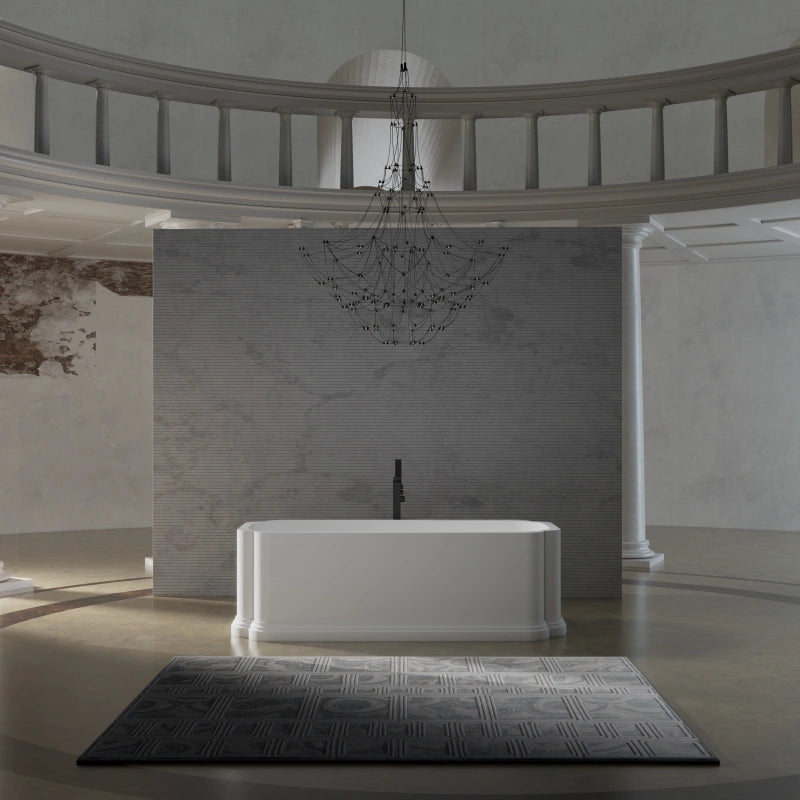
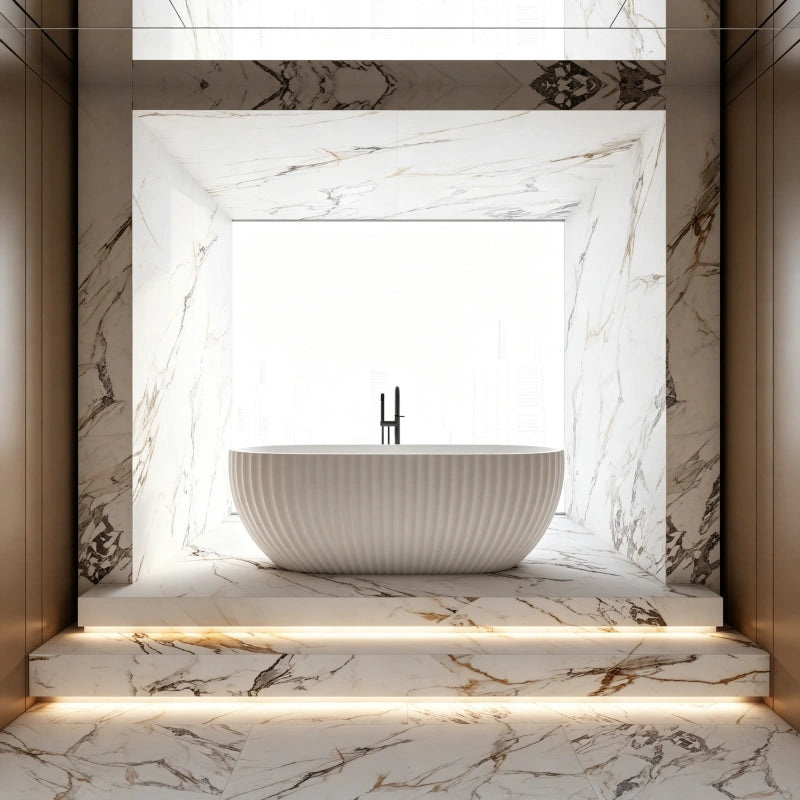
Acrylic can suit a simple, understated bathroom or a more expressive design. Solid surface often appeals to buyers who want a substantial visual presence, defined edges, or a sculptural silhouette. However, neither look belongs exclusively to one material.
MonBlari’s bathtub range includes matte white acrylic designs as well as solid surface models. Choose by the actual product finish rather than assuming that acrylic always means glossy or solid surface always means matte.
Look at the rim profile, exterior detailing, and how the tub relates to your vanity and fixtures. If the surface feel or shade is important, ask whether a sample or closer finish images are available before deciding.
3. Check weight and access before ordering
Acrylic is generally lighter than a comparable solid surface bathtub, which can simplify handling. A large acrylic bathtub can still be awkward to move, while a heavier solid surface model may require additional planning and equipment.
Compare the actual product weight, packaged weight, and shipping dimensions. Ask your installer to assess floor support for the bathtub in use, including water and the bather. Neither material automatically makes an upstairs installation suitable or unsuitable.
Before ordering, follow our guide to measuring your bathroom and delivery route for a freestanding bathtub. Check the complete route, including turns, stairs, and the final approach to the bathroom.
4. Judge comfort and heat retention by the model
Start with the dimensions inside the bathtub. Two tubs with the same overall length can offer different legroom, back support, and soaking depth. Compare the interior length, backrest angle, width, and water depth to the overflow where these are provided.
Material alone is also an incomplete guide to how long bathwater stays warm. Construction and insulation, the amount of water, room conditions, and the exposed water surface all affect cooling. Without comparable test data for the models you are considering, avoid choosing on a promise that one material will keep water warm for a specific amount of time.
If long soaks are a priority, ask about model-specific insulation and water capacity, and check that your hot-water supply suits the planned use.
5. Consider everyday care and repair options
Both materials benefit from regular, gentle cleaning. For routine care, use a soft cloth or non-abrasive sponge with a cleaner approved for the exact surface, then rinse away residue. Avoid experimenting with abrasive pads or strong chemicals.
For scratches or stains, follow the model’s repair guidance. Some solid surface finishes can be professionally refinished, but sanding a coated, colored, or glossy surface may change its appearance. Acrylic repairs also depend on the type and depth of damage.
Ask about the recommended repair process and warranty terms before purchasing. Do not assume that either material is scratch-proof or that all marks can be removed at home.
6. Compare the complete project cost
Acrylic often offers a more accessible purchase price, while solid surface often costs more. Size, shape, finish, and construction can change that comparison, so assess actual models rather than relying on a material label.
Your budget should include the bathtub, faucet and drain requirements, delivery and indoor handling, and any plumbing or floor preparation. A lower-priced tub may leave more room in the budget for other parts of the bathroom; a particular solid surface design may justify a larger share if it is the room’s focal point.
Which material is right for your bathroom?
Start with acrylic if
- Lower product weight is an important part of your handling plan.
- You want to keep more of the project budget available for fixtures or renovation work.
- You have found an acrylic model with the finish and interior shape you prefer.
Start with solid surface if
- You prefer the appearance and feel of a particular solid surface finish.
- A sculptural bathtub is a central feature of your bathroom design.
- Your budget and installation plan accommodate the selected model’s weight and requirements.
Shortlist one or two models in each material that fit your space. Compare their internal dimensions, finish, weight, care guidance, and total cost side by side. The strongest choice is the one that suits your room and the way you bathe.
Frequently asked questions
Is solid surface always better than acrylic?
No. Solid surface may suit a particular design preference, while acrylic may better suit your budget and handling needs. Construction, finish, comfort, and installation requirements matter more than a simple material ranking.
Can a solid surface bathtub be installed upstairs?
Potentially, but the specific tub and building must be assessed. Confirm the loaded weight, floor support, delivery route, and handling plan with the appropriate professionals before ordering.
Is a matte bathtub always solid surface?
No. Acrylic bathtubs can also have matte finishes. Check the product’s stated material and finish rather than identifying it by appearance alone.