
Guide – Tagged "blog" – MonBlari Skip to content

Guide

Luxury Bathroom Trends from Milan Design Week 2026

Luxury Bathroom Trends from Milan Design Week 2026

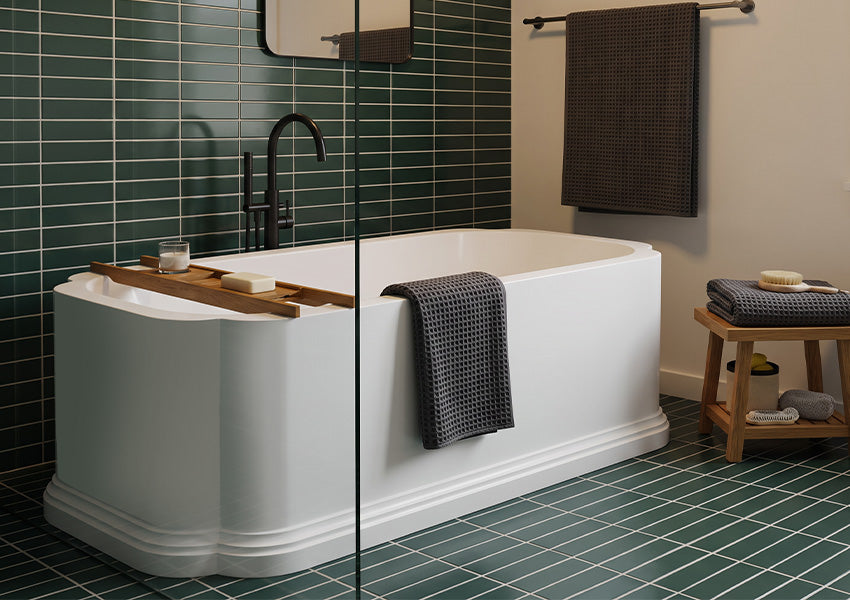
Published by Monblari® April 2026 Luxury Bathroom Trends from Milan Design Week 2026 Every April, Milan becomes the center of the global design conversation. From furniture and lighting to architecture and interiors, Milan Design Week continues to influence how modern living spaces are imagined around the world. In 2026, bathroom design emerged as one of the most refined categories at the exhibition. Across installations, curated spaces, and immersive interior showcases, a clear direction began to take shape: bathrooms are becoming quieter, softer, and more architectural. Rather than focusing purely on functionality, today’s luxury bathroom is designed as an emotional environment—one that balances comfort, materiality, and atmosphere.Among the strongest themes seen throughout Milan this year was the continued evolution of the freestanding bathtub. No longer treated as a secondary fixture, the bathtub has become a sculptural centerpiece capable of defining the entire room around it. Why Milan Design Week Continues to Shape Global Bathroom Design Milan Design Week is more than an exhibition—it is where global design language evolves.For luxury interiors, the event often reveals what homeowners, architects, and designers will prioritize over the next several years. In 2026, bathroom trends reflected a clear movement away from overly polished minimalism toward spaces that feel warmer, quieter, and more intentional.Several themes consistently appeared across this year’s showcases: Soft architectural silhouettes Natural tactile materials Warm neutral palettes Matte finishes and textured surfaces Sculptural freestanding bathtubs Spaces designed for wellness and calm This shift reflects a broader transformation in luxury design. Today, luxury is increasingly defined not by excess, but by restraint and thoughtful design decisions. The Rise of Sculptural Freestanding Bathtubs One of the most noticeable bathroom trends at Milan Design Week 2026 was the growing emphasis on sculptural freestanding bathtubs. Rather than blending into the room, modern bathtubs are now designed to anchor the entire space visually. Rounded forms, softened edges, and monolithic silhouettes dominated many of the showcased interiors.The freestanding bathtub is no longer viewed simply as a functional product—it is becoming an architectural object.In many contemporary bathrooms, the bathtub now influences circulation, lighting, and spatial balance. Designers are increasingly positioning tubs near natural light, textured walls, and open floor plans to create a more immersive bathing experience. This movement toward sculptural forms reflects a larger shift in interior design: products are expected to contribute emotionally to the atmosphere of the space—not simply perform a function. Materials That Defined Milan in 2026 Materiality played a defining role throughout this year’s exhibition. Across luxury bathroom displays, designers focused heavily on tactile surfaces and authentic finishes.Rather than glossy perfection, many spaces embraced subtle texture, matte materials, and organic visual depth.Trending Bathroom Materials in 2026 Material Design Expression Trend Direction Stone Resin Sculptural & architectural Quiet luxury Matte Acrylic Soft minimalism Contemporary wellness Natural Stone Organic & timeless Spa-inspired interiors Brushed Metal Warm industrial Refined contrast Textured Plaster Mediterranean influence Soft architectural spaces Among these materials, stone resin and matte composite finishes stood out especially instone resin bathtub collection for their ability to balance durability with visual softness.These surfaces interact beautifully with natural light, helping create calm and understated bathroom environments. Quiet Luxury and Soft Minimalism Another defining direction at Milan Design Week 2026 was the continued rise of quiet luxury.Unlike traditional luxury design, which often emphasized visual complexity, quiet luxury focuses on atmosphere, proportion, and restraint.Bathrooms showcased this trend through: Warm neutral palettes Minimal visual clutter Soft indirect lighting Seamless material transitions Curved architectural forms Open spatial layouts This design approach creates spaces that feel calm rather than performative. The goal is not to impress instantly, but to create an environment that feels balanced and timeless over time.Freestanding bathtubs fit naturally into this aesthetic because they introduce softness and sculptural presence without overwhelming the room. How Bathtubs Became Architectural Centerpieces One of the clearest insights from Milan this year was how bathroom products are increasingly treated as part of the architecture itself.Rather than being placed against walls or hidden within layouts, freestanding bathtubs are now positioned intentionally within the room—almost like furniture or sculpture.Designers are using bathtubs to create: 1.Spatial symmetry2.Visual focal points3.Organic movement within interiors4.Emotional connection through form5.This approach transforms the bathroom into a more immersive environment focused on 6.comfort, stillness, and experience.The growing popularity of freestanding bathtubs also reflects changing homeowner expectations. Bathrooms are no longer designed solely for utility—they are increasingly designed for restoration and everyday wellness. What Homeowners Can Learn from Milan Bathroom Trends While many Milan interiors are highly conceptual, several ideas can be applied directly to modern residential bathrooms. Trend Practical Application Sculptural bathtubs Use freestanding tubs as visual focal points Warm minimalism Choose soft neutrals and natural textures Matte materials Reduce glare and create softer interiors Open layouts Improve visual spaciousness Layered lighting Combine ambient and accent lighting Even smaller bathrooms can adopt elements of these trends through material choices, lighting, and spatial simplicity.The key lesson from Milan is that luxury is increasingly tied to emotional comfort—not visual excess. The Future of Luxury Bathroom Design As bathroom design continues to evolve, the focus is shifting toward environments that feel timeless, calming, and deeply intentional.The strongest interiors at Milan Design Week 2026 shared a common philosophy: design should improve how a space feels, not simply how it looks.Freestanding bathtubs, tactile materials, and quiet architectural forms all contribute to this direction.Rather than following short-term trends, modern luxury bathrooms are embracing longevity, authenticity, and understated elegance. Final Thoughts Milan Design Week 2026 revealed a new direction for luxury bathroom design—one centered on softness, balance, and architectural simplicity.Freestanding bathtubs have become more than functional fixtures. They now serve as sculptural elements that shape the atmosphere of the entire room.As homeowners increasingly seek spaces that support wellness and intentional living, these design principles are likely to continue influencing modern interiors well beyond 2026.The future of bathroom design is quieter, warmer, and more refined than ever before. About Monblari® Monblari® explores contemporary bathroom design through a balance of material innovation, architectural simplicity, and modern wellness living. Inspired by global design culture and timeless interiors, our collections reflect a quieter approach to luxury.

Learn more