

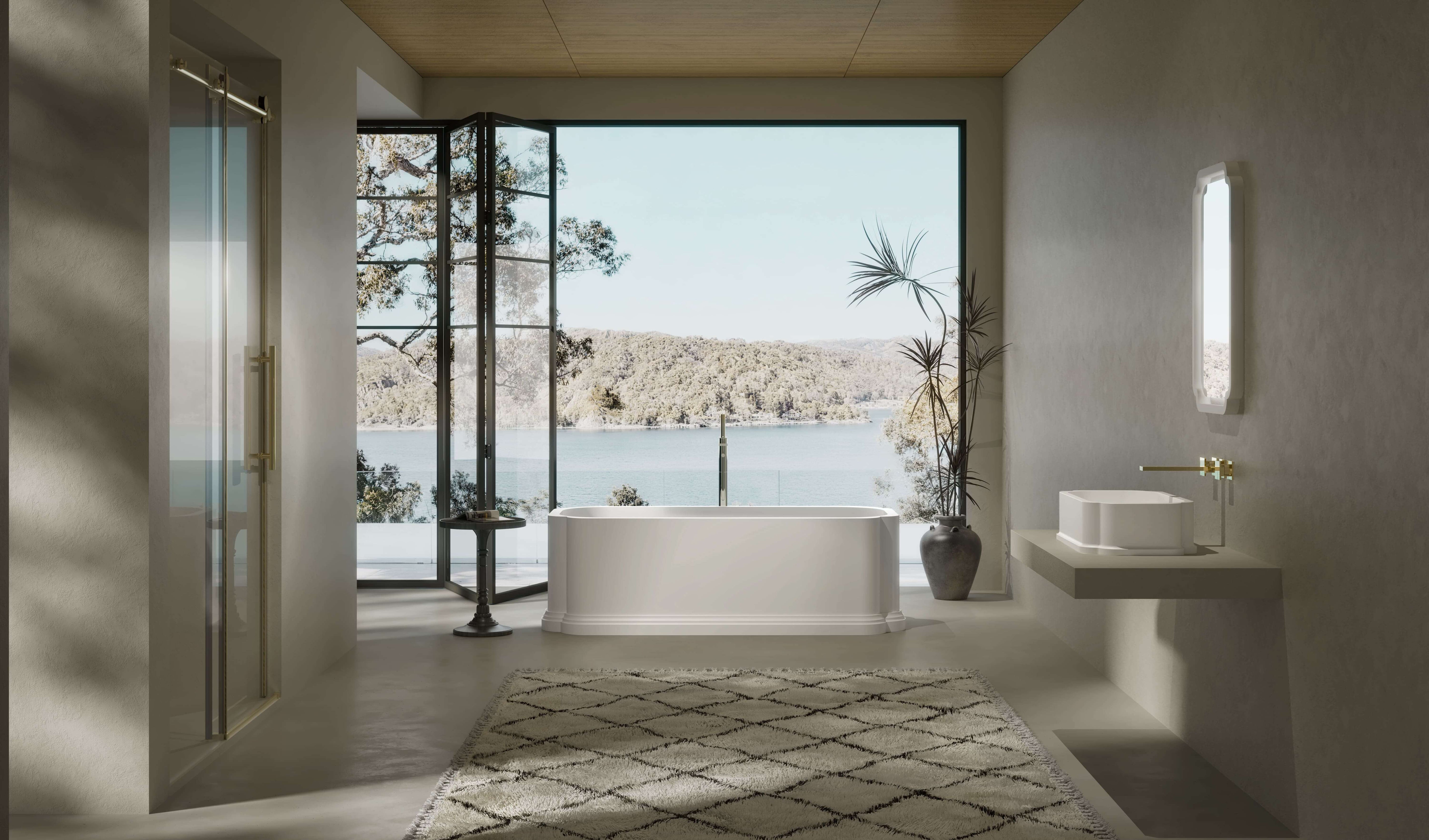
Introduction: A New Standard for Sustainable Luxury
Luxury in 2026 is no longer defined by appearance alone—it is shaped by the choices behind the design. Materials, manufacturing processes, and long-term performance now play an equally important role.
At the center of this shift is the eco friendly bathtub, a product that reflects both modern design and environmental responsibility. This guide will help you understand what makes a bathtub truly sustainable—and how to choose the best eco friendly bathtub for your space.
For today’s homeowner, sustainability is not a compromise. It is a smarter, more refined way to live.

What Makes a Bathtub Eco Friendly?
Not all “green” products deliver real sustainability. A truly eco friendly bathtub is defined by its full lifecycle—from raw materials to long-term use.
Key Factors to Consider
1.Material Safety
Non-toxic, responsibly sourced materials
2.Manufacturing Impact
Low emissions and energy-efficient production
3.Durability
Long lifespan reduces replacement waste
4.End-of-Life Potential
Recyclable or restorable materials
Choosing a bathtub based on these factors ensures both environmental responsibility and long-term value.
Best Eco Friendly Bathtub Materials
Material selection plays a critical role in sustainability and performance.
Material Comparison
| Material | Sustainability | Design Appeal | User Experience | Best For |
|---|---|---|---|---|
| Acrylic | ⭐⭐⭐⭐☆ | Modern, versatile | Warm, lightweight | Most homes |
| Stone Resin | ⭐⭐⭐⭐⭐ | Architectural, natural | Solid, immersive | Luxury spaces |
| Cast Iron | ⭐⭐⭐⭐☆ | Classic, durable | Heavy, long-lasting | Traditional designs |
Expert Insight
For most modern homes, high-quality acrylic offers the best balance of sustainability, performance, and design flexibility. Meanwhile, stone resin provides a more premium, long-lasting solution for high-end interiors.
How to Choose the Best Eco Friendly Bathtub
Selecting the right bathtub requires more than just choosing a material.
1. Consider Long-Term Use
A durable bathtub that lasts 10–15 years is more sustainable than one replaced every few years.
Water Efficiency: Using Less While Enjoying More
Sustainability is not just about materials—it’s also about how water is used.
| Usage Type | Water Volume | Design Strategy |
|---|---|---|
| Standard Bath | 45–55 gallons | Efficient depth design |
| Deep Soak | 50–65 gallons | Ergonomic shaping |
| Oversized Tub | 70+ gallons | Less efficient |
A well-designed eco friendly bathtub achieves a deeper soaking experience through shape—not excessive water use.

Pros and Cons of Eco Friendly Bathtubs
Advantages
1.Lower environmental impact
2.Better durability and longevity
3.Improved energy efficiency
4.Modern, high-end design appeal
Considerations
1.Higher upfront cost
2.Requires informed material selection
3.Not all “eco” claims are equal
Understanding these trade-offs helps you make a more informed decision.
Design That Lasts: Sustainability Through Timelessness
True sustainability goes beyond materials—it includes design longevity.
In 2026, key design directions include:
Soft Minimalism
Balanced proportions and subtle curves
Architectural Presence
Sculptural forms that define the space
Material Authenticity
Natural textures and honest finishes
A timeless bathtub reduces the need for replacement, making it inherently more sustainable.
Who Should Choose an Eco Friendly Bathtub?
An eco friendly bathtub is ideal for homeowners who value:
Long-term performance over short-term trends
Sustainable materials and responsible production
A refined, minimalist design approach
It’s not just about being environmentally conscious—it’s about making better design decisions.
FAQ: Eco Friendly Bathtubs
What is the most eco friendly bathtub material?
Stone resin and high-quality acrylic are among the most sustainable options.
Are eco friendly bathtubs more expensive?
They may have a higher upfront cost but often last longer, reducing long-term expenses.
Do eco friendly bathtubs save water?
Yes, especially when designed with efficient depth and ergonomic shaping.
Is acrylic an eco friendly material?
Modern acrylic can be environmentally friendly due to its durability, lightweight nature, and long lifespan.
Conclusion: Sustainability as the New Luxury
In today’s homes, luxury is no longer about excess—it’s about intention.
An eco friendly bathtub represents this shift, combining thoughtful design with responsible materials and long-term performance. By choosing the right bathtub, you are not only improving your daily experience—you are making a decision that lasts.
2. Evaluate Heat Retention
Better insulation reduces the need for reheating water, saving energy over time.
3. Check Weight and Installation Impact
Lightweight materials reduce transportation emissions and structural requirements.
4. Focus on Timeless Design
Trends fade quickly. Choosing a design that lasts reduces waste and replacement cycles.