

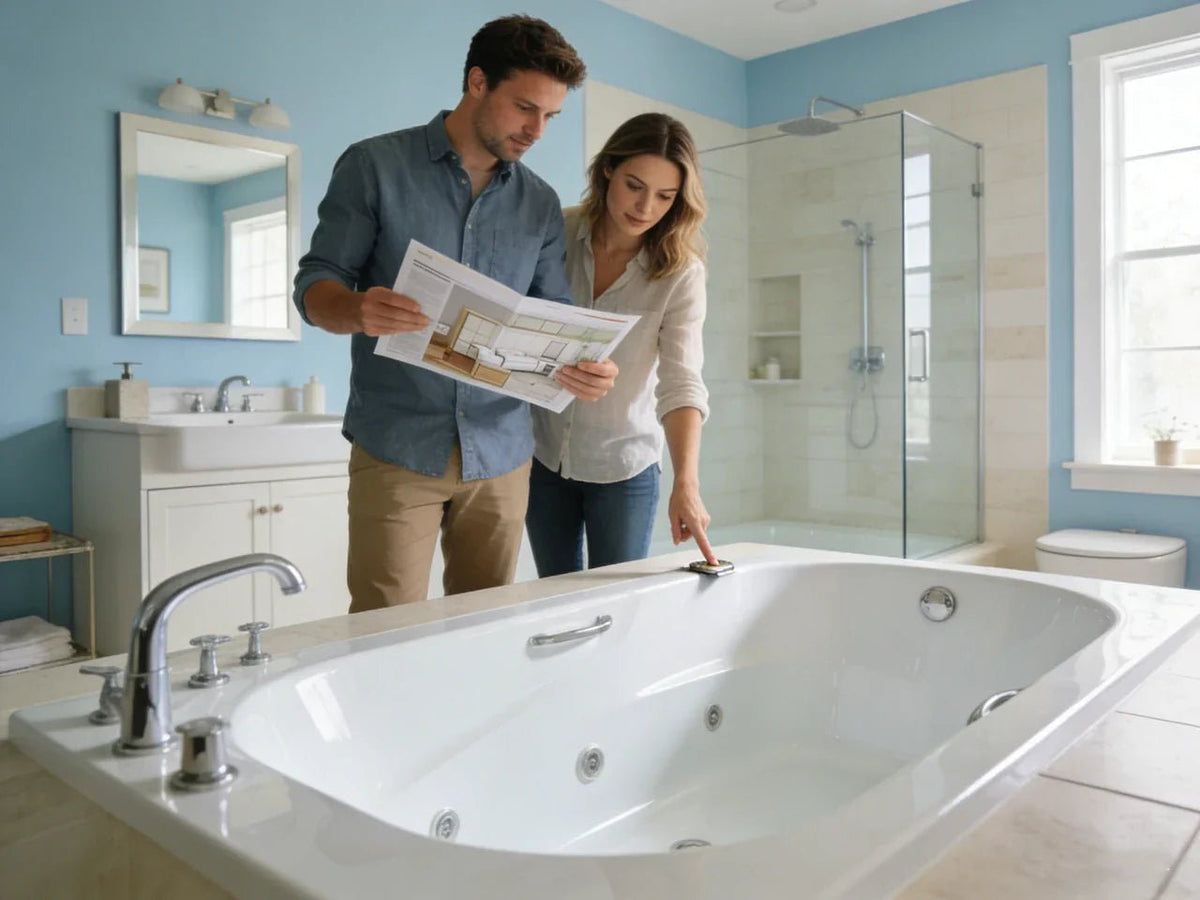
If you’re shopping for a new bathtub material, you’ve probably asked the big question: are acrylic tubs good? Many homeowners want to know what an acrylic bathtub is made of and whether it offers durability, comfort, and style. For most homes in 2026, the answer is yes. A well-made acrylic bathtub feels warm, retains heat well, cleans easily, and is far easier to install than a cast iron alternative. Many models are budget-friendly compared with premium acrylic tubs, yet still look modern and clean.
Still, “good” depends on what you need. Do you take long baths and want a warmer soak? Are you remodeling an upstairs bathroom? Do you have kids who drop shampoo bottles like it’s their job? Acrylic can be a great fit—but only if you pick the right build quality and treat it the right way.
In this guide, you’ll get a clear verdict, a fast fit check, and a practical breakdown of heat retention, durability, cleaning, tub repair, and the real cons of acrylic bathtubs. You’ll also see how fiberglass materials compare, how long acrylic tubs last in real life, and what professional installers recommend.
Are Acrylic Tubs Good? Quick Verdict & Best-Use Scenarios
If you’re asking “are acrylic tubs good?” you’re not alone. Acrylic bathtubs offer a lightweight, budget-friendly option for homeowners who want warmth, durability, and easy maintenance. Understanding the pros and cons of acrylic tubs can help you decide whether you should get an acrylic tub for your bathroom remodel.
The 30-second verdict (reverse-pyramid summary)
Acrylic tubs are good for most homeowners because they’re warm to the touch, lightweight, and easy to maintain. Reinforced with fiberglass, a quality acrylic bathtub often lasts 10–20+ years. For those asking, should I get an acrylic tub, the answer depends on your bathroom remodel goals and whether you value durability and comfort during long baths. A quality acrylic tub that’s reinforced with fiberglass often lasts 10–20+ years, sometimes longer with good installation and care.
Acrylic is usually a strong choice for a family bathroom, a rental refresh, or a practical upgrade during a bathroom remodel—especially when weight and easy installation matter. The main trade-offs are that acrylic can scratch and lower-end tubs can feel flimsy or show discoloration over time if abused with harsh cleaners or poor support.
Who Acrylic Tubs Are Best For (Buyer Personas)
If you’re a budget remodeler, acrylic often hits the sweet spot. You can usually get a nicer shape, a more comfortable backrest, and better warmth than a basic fiberglass tub without paying premium material prices. That matters when the project already includes tile, plumbing, and maybe fixing what you find behind the wall.
If you’re building a family bathroom, the acrylic surface is non-porous, making it easier to clean the tub and resist stains. For families, the pros of acrylic tubs include comfort, ergonomics, and safety features, while the cons of acrylic tubs mainly involve minor scratches if abused. Messes wipe up more easily, and you’re less likely to fight stains that sink into the surface. Add a slip-resistant floor texture (or use a removable mat designed for acrylic), and the tub becomes more kid-friendly and aging-friendly.
If you’re planning for aging-in-place, acrylic’s comfort and flexibility can help. Many types of bathtubs in acrylic come with deeper soaking tubs profiles, molded armrests, and shapes that make sitting more stable. And because the material is easier to form, you’ll find more sizes and shapes that work in tight rooms.

“Good” depends on tub quality: how to spot a better acrylic tub
Not all acrylic tubs are made the same. Two tubs can look identical online, but one can feel solid for years while the other squeaks, flexes, and scratches faster.
When you’re comparing options, look for signs of a thicker sheet of acrylic and strong support underneath. The best value is often acrylic plastic with a strong backing—commonly plastic reinforced with fiberglass (also described as reinforced fiberglass or “fiber-reinforced” construction). That reinforcement helps the tub resist flexing and cracking.
A better acrylic tub usually has:
-
Thick acrylic sheets (or clear acrylic in some premium models)
-
Reinforced backing (fiberglass materials)
-
A solid, supported base (not just thin feet or weak framing)
-
Clear warranty terms (length and what’s covered)
A tub to avoid often has:
-
Very thin walls that flex when you press them
-
A base that doesn’t look fully supported
-
Vague construction details (no mention of reinforcement)
Is Acrylic Right for You? 10-Question Fit Quiz
Use this quick quiz before you decide should I get an acrylic tub or choose something else. Grab a note on your phone and count your “A” answers.
-
Do you want a tub that feels warm quickly when you step in? (A = Yes, B = No)
-
Are you remodeling an upstairs bathroom or tight space where weight matters? (A = Yes, B = No)
-
Do you want a tub that’s easy to clean with basic supplies? (A = Yes, B = No)
-
Do you expect kids, pets, or frequent bathing in this tub? (A = Yes, B = No)
-
Do you mind polishing out light scratches once in a while? (A = Yes, B = No)
-
Are you trying to keep the project in a mid-range budget? (A = Yes, B = No)
-
Do you want a modern shape like a freestanding tub or deep soaking style? (A = Yes, B = No)
-
Is your floor framing older or uncertain (so you prefer lighter fixtures)? (A = Yes, B = No)
-
Will you avoid abrasive scrub pads and harsh solvents? (A = Yes, B = No)
-
Do you prefer repairable wear (polish/kit fixes) over “chip and refinish” jobs? (A = Yes, B = No)
Results:
-
8–10 A’s: Acrylic is a strong match. Consider an alcove tub for a standard remodel or a freestanding acrylic soaking tub for comfort.
-
5–7 A’s: Acrylic can work well, but buy higher quality (thicker acrylic + reinforcement) and plan a careful install with full base support.
-
0–4 A’s: You may be happier with a harder surface like porcelain enamel or a heavier premium option—especially if you want maximum scratch resistance and a heritage feel.
Acrylic tub construction: what “acrylic” actually means
To understand whether acrylic tubs are good, it’s important to know what an acrylic bathtub is made of. Most tubs are made from a sheet of acrylic reinforced with fiberglass, offering a lightweight yet durable bathtub that can withstand scratches and wear. Choosing a reinforced fiberglass tub can improve longevity and ease of maintenance.
Materials 101: acrylic sheet + reinforcement
So, what is acrylic bathtub construction? Most acrylic bathtubs are made from a sheet of acrylic reinforced with fiberglass. This reinforced fiberglass structure makes acrylic durable and resistant to flexing while keeping it lightweight and easier to install than cast iron or porcelain tub options. In most cases, the visible tub surface is a molded sheet of acrylic (often PMMA). That glossy layer is what you touch, clean, and see every day. Under that, many tubs are reinforced with fiberglass and resin to add stiffness and strength.
This is where many buyers get tripped up: you’ll see “acrylic” used loosely. Some tubs have a thin acrylic cap over a weaker body. Others are true acrylic builds with substantial reinforcement. The difference shows up later as flex, squeaks, or early wear.
If you’re comparing differences between acrylic tubs, reinforcement thickness and base support matter more than the word “acrylic” on the label.
Non-porous surface: what it changes (stains, mold, mildew)
Acrylic’s surface is non-porous, which means it’s easy to clean, resists stains, and is low maintenance. Regular wiping with mild soap ensures that your acrylic tub remains durable and resistant. For daily cleaning, dish soap is safe for acrylic tubs (CDC, 2025). In daily life, that usually means less staining, less mildew “shadowing,” and faster wipe-downs—especially in a busy bath where soap, hair products, and bath oils build up.
That doesn’t mean acrylic is magic. If you let soap scum bake on for months, you’ll still scrub. But you’ll often need less harsh force to get back to clean compared with more porous surfaces.
Finish and color: how fading or yellowing can happen
One worry people have is discoloration. Acrylic can dull or yellow when it’s exposed to:
-
Strong UV light for long periods (think bright sun through a window)
-
Repeated use of harsh cleaners or solvents
-
Heat plus chemicals (for example, very strong bleach mixes used too often)
-
Lower-grade acrylic where the surface layer is thin
The fix is mostly prevention: good ventilation, gentle cleaners, and rinsing well after each use. If your bathroom gets direct sun, a simple window covering can reduce UV exposure.
Performance Breakdown: Heat Retention, Durability & Comfort
Acrylic tubs offer excellent heat retention, which keeps water warmer longer during long baths. Compared to fiberglass tubs or porcelain tubs, acrylic feels warm to the touch and allows homeowners to enjoy a more soaking tub experience without a heater. Compared with fiberglass or porcelain tubs, acrylic bathtubs feel warmer on contact and maintain water temperature longer, making them ideal for soaking tubs. Understanding acrylic bathtub pros and cons helps homeowners choose the right tub material for their bath experience.
Bathtub heat retention: why acrylic stays warmer
Acrylic tends to feel warmer than steel or porcelain enamel when you first step in because it doesn’t pull heat from your skin as fast. In plain terms: less “cold shock.” It also tends to hold bathwater warmth better than basic fiberglass.
Real-world heat loss depends on room temperature, airflow, and how deep your soak is. But for many homes, acrylic is a comfort upgrade you can feel on day one—especially if you take long baths.
Here’s an illustrative heat-loss example (not a lab test, but a helpful mental model):
| Time into bath | Acrylic tub (warmth feel) | Steel/porcelain enamel (warmth feel) |
| 0–2 minutes | Warms up fast | Feels cold at first |
| 10 minutes | Water stays comfortable longer | Water cools faster |
| 20 minutes | Still a good soak for many people | Many people add hot water |
If you love long baths, acrylic is usually a comfortable pick without needing a tub heater.
Durability + lifespan: what “10–20+ years” looks like in practice
People often ask: How long will an acrylic tub last? A realistic range is 10–20+ years, and high-quality builds can go longer. The tub’s lifespan is less about the label and more about thickness, reinforcement, and installation.
Think of acrylic durability like a phone screen protector. If it’s thin and poorly supported, small stress turns into bigger issues. If it’s well-supported, it holds up for years.
Here are the biggest drivers of lifespan:
| Lifespan driver | What helps | What hurts |
| Acrylic thickness | Thicker sheet | Ultra-thin shell |
| Reinforcement | Strong fiberglass backing | Minimal backing |
| Base support | Full support under tub floor | Hollow spots and gaps |
| Cleaning habits | Mild cleaners + soft cloth | Abrasives + harsh solvents |
| Daily use | Normal family use | Repeated heavy impacts |
Scratch resistance and repairability: the trade-off
Acrylic is not the hardest surface, so yes—scratches can happen. The upside is that many scratches are fixable. A lot of common wear is more like scuffs in the shine than deep damage.
Here’s a simple “scratch ladder” so you know what you’re looking at:
| Scratch level | What it looks like | Typical fix |
| Hairline | Fine lines in reflected light | Polish with a non-abrasive compound |
| Moderate | Visible scratch you can feel a bit | Repair kit + careful buffing |
| Gouge/chip | Deep mark or missing material | Patch kit or pro refinisher |
This repairability is one reason plumbers and remodelers often accept acrylic as a practical choice. You can refinish or repair parts of the surface instead of replacing the whole tub for minor damage.
Comfort & usability: ergonomics, slip resistance, family friendliness
Acrylic shines in comfort because it molds into many shapes. That means more tubs with lumbar support, armrests, and deeper bathing wells. It’s also easy to find acrylic in common layouts like an alcove tub, or in modern options like a freestanding tub.
Safety-wise, many acrylic tubs offer textured bottoms or coatings for slip resistance, following accessibility and safety standards (ADA, 2025). If you add a bath mat, make sure it’s made for acrylic so it won’t trap grit or use suction cups that can stress the surface.
Downsides: scratches, flex, fading—and how to prevent them
What are the disadvantages of acrylic tubs?
The most common cons of acrylic tubs are scratches, surface dulling, and flexing if the tub is thin or poorly supported. Some cheaper models may discolor over time, especially with heavy chemical use or lots of sunlight. Acrylic can also feel less “premium” than cast iron if you want a classic, heavy, high-end vibe.
The good news is that most acrylic problems come from preventable habits: abrasive cleaning, poor installation support, and ignoring small repairs until they grow.
Do acrylic tubs scratch easily?
Acrylic can scratch if you use abrasive scrub pads, gritty powder cleaners, or if sand and dirt sit on the surface and get rubbed around. Dropping metal objects can also leave marks.
To prevent scratches, clean the tub with a soft cloth or sponge and a mild cleaner. Rinse away grit first. If you use a mat, lift it and rinse underneath so trapped sand doesn’t grind into the finish.
If you do scratch it, don’t panic. Light scratches often polish out. That’s one reason acrylic stays popular: it’s not perfect, but it’s forgiving.
Structural flex and the “cheap tub feel”: when it happens
If someone tells you acrylic feels “cheap,” they are often reacting to flex. Flex usually comes from three things working together: thin walls, weak reinforcement, and poor base support. Even a decent tub can squeak if the floor underneath has gaps.
This is also where the installer matters. A proper level, correct support under the tub floor (sometimes a mortar bed when the instructions call for it), and careful drain alignment can change how solid the tub feels for the next decade.
Stains, dulling, and chemical damage: what not to use
Acrylic is easy to clean, but it doesn’t like harsh treatment. Avoid abrasive powders, rough scrub pads, and strong solvents. Also be careful with overly strong disinfecting mixes used too often. If you need to disinfect, follow product directions, rinse well, and ventilate the room.
If your tub looks dull, it may be a surface film from soap scum, hard water, or cleaner residue. A gentle deep clean and a non-abrasive polish can often bring back shine.
“Problem → cause → prevention → repair” quick guide
| Problem | Common cause | Prevention | Repair path |
| Scratches | Abrasives, grit, dropped items | Soft cloth, rinse grit, gentle cleaners | Polish → kit → pro |
| Flex/squeak | Weak support, uneven subfloor | Full base support, correct leveling | Re-support from below if possible |
| Stains/film | Soap scum + hard water | Weekly rinse + mild cleaner | Vinegar solution (if allowed) + gentle scrub |
| Discoloration | UV + harsh chemicals | Shade window, avoid solvents | Polish may help; severe cases need refinishing |
| Chips | Impact on edge | Don’t drop heavy items | Patch kit or pro repair |
Do acrylic tubs crack easily?
A well-supported, reinforced with fiberglass acrylic tub usually does not crack easily in normal home use. Cracking is more likely when the tub flexes repeatedly because the base is not supported, the subfloor is uneven, or the tub is ultra-thin. Think of it like bending a plastic ruler again and again in the same spot. The stress adds up.
So if cracking is your fear, focus on two things: buy better construction and make sure the tub floor is fully supported during installation.
Acrylic vs Other Tub Materials: Best Bathtub Material Comparison
Choosing between acrylic, fiberglass, porcelain tub, and cast iron involves weighing the pros and cons of acrylic, pros and cons of acrylic tubs, and the cons of fiberglass. Acrylic versus porcelain often comes down to warmth and ease of maintenance, while acrylic versus cast iron often comes down to weight and ease of installation. Acrylic tubs offer warmth, lightweight design, and easy installation, while other materials may provide extra durability or premium feel. This comparison helps you understand what acrylic tubs offer versus alternative options.
Material comparison table (best-use snapshot)
| Feature | Acrylic tub | Fiberglass tub | Porcelain enamel | Cast iron |
| Heat retention | Excellent | Fair to poor | Moderate | Moderate |
| Feel on contact | Warm | Warm-ish | Cooler | Cooler |
| Typical lifespan | 10–20+ yrs | 10–15 yrs | 20–30+ yrs | 30–50+ yrs |
| Weight (empty) | ~75 lbs (many models) | Light | Heavy | Very heavy |
| Scratch/chip behavior | Scratches possible; often repairable | Wears and scratches faster | Hard, but chips can be serious | Very tough surface |
| Install difficulty | Easier | Easier | Harder | Hardest |
| Cost range | Mid | Lowest | Higher | Higher |
Acrylic vs fiberglass tub: what you gain (and what you pay)
If you’re choosing acrylic or fiberglass, acrylic usually wins on long-term feel. Fiberglass bathtubs are often the cheapest up front, but they tend to wear faster, dull sooner, and feel less solid over time. Acrylic typically costs more, but many homeowners find the extra cost worth it for better durability and comfort.
If your remodel budget is tight and the tub won’t be used much, fiberglass can work. If the tub is used daily, acrylic is often the better “middle path.”
Acrylic vs porcelain: which is better?
People ask this a lot: Which is better, an acrylic or porcelain tub? Porcelain enamel (often over steel or cast iron) can be harder and more scratch-resistant in normal use. It can also last longer. But it often feels colder at first touch, and when it chips, repairs can be more involved and more visible.
Acrylic is usually better if you want warmth, comfort, and a lighter install. Porcelain is often better if you want a hard, classic surface and you’re okay with the extra weight and the risk of chip repairs.
A quick “real life” way to think about it: if a shampoo bottle slips from your hand, acrylic may scuff; porcelain may chip. If a handheld shower head drops, acrylic may scratch; porcelain can chip hard enough to expose the layer below. Neither is perfect—just different trade-offs.
Acrylic vs cast iron: premium feel vs weight and install limits
Cast iron tubs can feel like forever tubs. They’re heavy, stable, and have a classic sound and presence. But that weight can cause problems in remodels, especially on upper floors. Moving it in can be a job, and sometimes the floor structure needs checking.
Acrylic is the opposite in a good way: light, remodel-friendly, and easier to fit into tight spaces. If you want a practical upgrade without a structural project, acrylic often wins.
Costs, lifespan & long-term value (2026)
If you’re considering an acrylic bathtub, cost and long-term value matter. Acrylic tubs are generally budget-friendly and easier to install than cast iron, yet offer durability and comfort that can last 10–20 years. Knowing the upfront cost and maintenance needs helps homeowners plan a smart bathroom remodel.
Typical price ranges (tub + install variables)
Costs vary widely by region and scope. The biggest drivers are the size of the tub, the type (alcove vs drop-in vs freestanding), whether plumbing moves, and wall repairs.
Here’s a practical 2026 range that many homeowners see:
| Cost item | Typical range (USD) |
| Acrylic tub (unit only) | $300–$2,500 |
| Fiberglass tub (unit only) | $200–$1,200 |
| Porcelain enamel tub (unit only) | $500–$3,500 |
| Installed total (typical remodel scope) | $2,000–$7,000+ |
A freestanding tub usually pushes you toward the higher end because of plumbing, floor finishing, and extra labor.
Long-term ROI: maintenance, repairs, and replacement timing
Acrylic’s value is that it’s comfortable and repairable. If you get normal wear—fine scratches, dull spots, small chips—you can often fix it without replacing the tub. That’s a real cost saver.
Here’s a simple 20-year ownership worksheet idea you can run in a notes app:
| Input | Example |
| Tub cost | $1,200 |
| Install cost | $3,000 |
| Repair/polish budget over 20 years | $300 |
| Expected lifespan | 18 years |
| Replacement risk | Medium |
Now compare it to a cheaper tub with a shorter life. A lower price can lose if you replace it sooner, especially when replacement means labor and wall repairs again. Choosing recyclable or sustainable materials like acrylic that can be recycled at end-of-life can help reduce environmental impact (EPA, 2025).Labor is often the real budget eater, not the tub itself. Choosing acrylic tubs that are budget-friendly and recyclable helps reduce environmental impact (EPA, 2025). Many types of bathtubs now include freestanding tubs in variety of shapes and sizes and shapes that suit modern homes.
Resale and buyer perception: does acrylic hurt value?
A good-quality acrylic tub is mainstream and widely accepted. Most buyers care that the tub looks clean, feels solid, and matches the bathroom style. Acrylic usually checks those boxes.
Where acrylic can lose points is in luxury expectations. If a home is positioned as high-end, buyers may expect cast iron or premium stone-style materials. But in most mid-range homes, a clean, well-installed acrylic tub does not “hurt value.” A flimsy, flexing tub with sloppy caulk does.
A simple decision matrix helps:
-
If you’re function-first (comfort, cost control, easy install), acrylic is often a smart choice.
-
If you’re luxury-first (heritage look, maximum hardness, long legacy life), porcelain enamel or cast iron may fit better—if weight and budget allow.
Installation & care playbook (DIY-friendly, contractor-accurate)
Acrylic tubs are easier to install than heavier materials, making them ideal for DIY projects or upstairs bathrooms. Proper installation, reinforcement, and base support are essential to prevent flex and ensure durability. Following these steps helps homeowners enjoy the pros of acrylic tubs for years.

Installation overview: what makes acrylic easier
Acrylic is lightweight, which changes everything. Many tubs are manageable for a small crew without special equipment. That’s one reason plumbers often like acrylic for remodels: fewer surprises moving it, fewer floor-load concerns, and faster set time.
Still, acrylic needs correct support. The best tub can fail early if it sits unevenly or flexes every time you step in.
Step-by-step installation checklist (high level)
Use this as a plain-language guide when talking with your installer or checking a DIY plan:
-
Confirm rough opening size and tub type (alcove, drop-in, freestanding).
-
Inspect and level the subfloor; fix low spots.
-
Dry-fit the tub and check drain alignment.
-
Add base support as required (some tubs need a mortar bed; follow the tub’s instructions).
-
Set the tub level in all directions and secure the flange/walls correctly.
-
Connect drain and overflow without over-tightening.
-
Water-test for leaks before closing walls.
-
Seal and caulk after surfaces are clean and dry, then allow cure time before use.
Common installation mistakes (and how to avoid them)
The most common mistake is weak support under the tub floor. That leads to flex, squeaks, and sometimes cracks years later. Another mistake is rushing waterproofing and caulk, which creates hidden leaks behind walls.
Over-tightening drain fittings is also common. Acrylic can be stressed by hardware that’s cranked too hard. Tight is good; crushed is not.
If you want a tub that feels solid underfoot, base support and leveling are where the job is won or lost.
Cleaning & maintenance calendar (simple 12-month plan)
Acrylic is easy to clean if you keep it simple and consistent.
To keep it simple and consistent, using mild soaps and non-abrasive materials is recommended for both tub durability and hygiene (CDC, 2025).
| Frequency | What to do | Time |
| Weekly | Rinse, wipe with mild soap + soft cloth | 3–5 min |
| Monthly | Gentle deep clean (non-abrasive) | 10–15 min |
| Quarterly | Inspect caulk lines, check for flex/squeaks | 10 min |
| Yearly | Polish if dull, replace worn caulk if needed | 30–90 min |
Is dish soap safe for acrylic tubs?
Many people ask if a common dishwashing liquid is safe. In most cases, a mild dish soap and warm water is one of the safest day-to-day options for acrylic. The key is to rinse well so you don’t leave a slippery film behind.
Repair toolkit: polishing, scratch kits, chip fixes
Acrylic repairs often fall into three tiers:
-
DIY polish for hairline scratches and dulling. Use a non-abrasive polishing compound and a soft cloth.
-
DIY repair kit for moderate scratches or small chips. Follow the instructions slowly and keep the area clean.
-
Professional refinisher for large gouges, widespread discoloration, or cracks.
A simple rule: if the damage is deep enough to catch a fingernail hard, or if water could get behind the surface, bring in a pro.
What tubs do plumbers recommend?
Plumbers usually recommend the tub that will install cleanly, stay supported, and match the home’s use. In many standard remodels, that means a well-made acrylic tub that’s properly reinforced and supported, because it’s light, predictable to set, and easy for homeowners to maintain.
For long-term “forever” bathrooms where weight is not a problem, many plumbers respect porcelain enamel over cast iron because it’s extremely durable. But they also know that moving and setting heavy tubs can raise labor cost and risk.
So the most common recommendation is not just a material—it’s a build quality plus a correct install: a solid base, good leveling, correct sealing, and a tub that fits the space without forcing weird plumbing compromises.
Final takeaway checklist: when acrylic is the best choice
Choose acrylic if you want warmth, comfort, and a tub that’s easy to install and maintain—especially in a remodel or an upper-floor bathroom. Acrylic tubs offer a wide variety of shapes, from a standard alcove tub to deep soaking tubs and sleek freestanding designs.
Choose alternatives if your top goal is the hardest, longest-lasting surface with a heavy, classic feel—and you’re ready for the weight, cost, and possible chip repair complexity.
Short FAQs (quick answers)
1. Are acrylic tubs good for everyday family use?
Absolutely! A well-made acrylic tub is actually a really solid choice for everyday family use. The surface is non-porous, which means water, soap, and even bath oils don’t soak in and stain it, so it’s way easier to clean than some older porcelain or fiberglass options. Kids, pets, or even frequent baths won’t be a huge hassle—just rinse and wipe down regularly. Plus, many acrylic tubs are molded with ergonomic features like armrests or lumbar support, making them comfortable for everyone in the family. And if something minor happens, like a small scratch, most of the time you can fix it yourself with a polishing kit. So overall, for a busy household, acrylic hits the sweet spot between comfort, maintenance, and durability.
2. How long do acrylic tubs last?
Most good-quality acrylic tubs can easily last anywhere from 10 to 20 years—or even longer if you take care of them. The key things that affect lifespan are how thick the acrylic sheet is, whether it’s reinforced with fiberglass, and if the tub floor has full support underneath. A cheap, thin acrylic tub with minimal reinforcement might flex, squeak, or wear out faster. But a properly installed, thick, reinforced tub can give you a decade or two of solid use. And if you ever notice minor scratches or dull spots, you can polish or repair them rather than replacing the whole tub, which adds even more years of practical life.
3. Do acrylic tubs crack easily?
Not really, at least not in normal home use. Most cracking issues come from tubs that are ultra-thin, poorly reinforced, or improperly installed. For example, if the floor under the tub isn’t fully supported, the tub can flex a little every time someone steps in, and over time that stress can lead to cracks. But with a well-built acrylic tub and proper installation—full base support, level flooring, and correct alignment—cracking is rare. Think of it like a strong plastic ruler: bend it gently, it’s fine; bend it repeatedly in a weak spot, eventually it might break. So pick quality and make sure the install is done right, and you’ll have a very low risk of cracking.
4. Are acrylic tubs easy to clean?
Yes! Cleaning acrylic tubs is generally very straightforward. Their non-porous surface prevents soap scum, mildew, and stains from setting in quickly, so most of the time a soft cloth or sponge with mild soap and warm water will do the trick. You don’t need harsh scrubbing powders or abrasive brushes—those can actually scratch the surface. For tougher spots, a gentle non-abrasive polish works well. Also, if you rinse away grit and debris after baths, it helps prevent scratches from sand or hair rubbing against the tub surface. Overall, keeping an acrylic tub clean is much easier than many older materials, which makes it a practical choice for everyday use.
5. Is acrylic bad for you?
Generally, no—acrylic is one of the safe tub materials for normal home use. Studies on household chemical exposure indicate that is acrylic bad for you under typical conditions? The answer is no, though care is needed during installation with adhesives and caulks (PMC, 2025; EPA, 2025). You won’t have harmful chemicals leaching into bathwater under typical conditions. The bigger consideration is during installation or remodeling: things like adhesives, caulks, or strong cleaning chemicals can emit fumes or VOCs ,which may affect indoor air quality (EPA, 2025).. So just make sure your bathroom is well-ventilated when installing or doing heavy cleaning, and follow the product labels for safety. Once it’s installed and in everyday use, an acrylic tub is safe for you, your family, and pets.
References