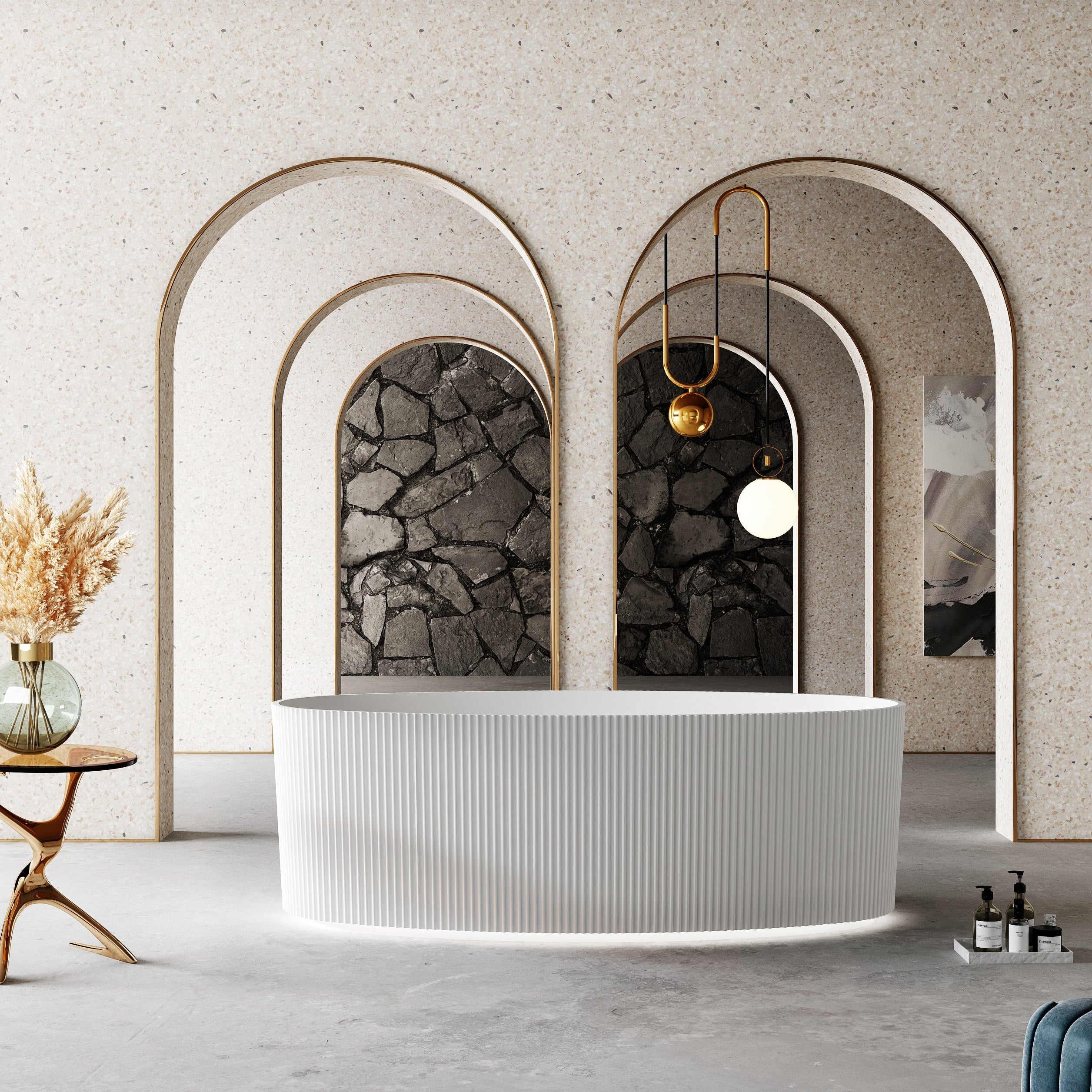


Acrylic Bathtubs
Clean-lined, versatile, and designed for comfortable everyday use.

Solid Surface Bathtubs
A more elevated choice, with sculptural form and a refined matte finish.

Carbon Fiber Bathtubs
Lightweight in feel, modern in character, and made to stand apart.

Transparent Resin Bathtubs
Distinctive in appearance, with a striking clarity that transforms the room.


Wall Mount Sinks
Clean and space-saving, wall mount sinks bring a lighter look to modern bathrooms.

Vessel / Bowl Sinks
Defined by shape and presence, vessel sinks add a more expressive finish to the vanity area.

Pedestal Sinks
Elegant in proportion and lighter in feel, pedestal sinks suit bathrooms where simplicity matters.

Transparent Resin Sinks
Discover sink designs shaped for different spaces, styles, and ways of living.


Hinged Shower Door
Defined by simplicity and ease of use, hinged shower doors bring a timeless look to the bathroom.

Frameless Glass Shower Door
Minimal in appearance, frameless glass shower doors create a lighter and more refined sense of space.

Sliding Glass Shower Door
Designed for more compact spaces, sliding glass shower doors combine practical function with a cleaner visual flow.

Masonry Shower Door
Made for more structured shower layouts, masonry shower doors offer a custom look with a stronger architectural presence.


Surface Refinement
Careful hand-finishing helps define the edges, sharpen the profile, and bring greater precision to the final form.

Material Crafting
Each material is worked with close attention throughout the forming process to achieve balance, consistency, and durability.

Final Polishing
Polishing is where the piece comes into focus — smoothing the surface, refining the finish, and completing the overall look.


Designed for the Modern Bathroom
From sculptural bathtubs to refined vanities and sinks, each piece is shaped to bring clarity, comfort, and visual balance to the space.

Monblari Designer Collection
Distinctive forms, considered materials, and a quieter sense of drama come together in a collection shaped for more expressive interiors.

Design, Shaped with Intention
A more considered approach to bathroom design, where form, material, and visual balance work quietly together.
Blog posts

Stone Resin vs Acrylic Bathtub: Which Is Better for Modern Bathrooms?
Choosing a bathtub may seem straightforward at first, but once you begin planning a bathroom renovation, the question quickly becomes more complex: Which bathtub material is best?Among the many options available today, stone resin bathtubs and acrylic bathtubs remain the two most popular choices for modern bathrooms. Both materials are widely used in residential projects, luxury renovations, and contemporary interior designs, yet they offer distinctly different experiences in terms of comfort, appearance, performance, and long-term value.For homeowners investing in a new bathroom, the decision often comes down to balancing aesthetics, durability, maintenance, installation requirements, and budget. While acrylic bathtubs have long been favored for their affordability and versatility, stone resin bathtubs have become increasingly popular for their premium appearance and exceptional bathing experience.Understanding the differences between these materials can help you choose a bathtub that not only complements your design vision but also delivers lasting satisfaction for years to come. Understanding the Difference Between Stone Resin and AcrylicBefore comparing performance, it's important to understand what each material actually is. What Is a Stone Resin Bathtub? A stone resin bathtub is manufactured using a blend of natural stone minerals and advanced resin compounds. This combination creates a dense, solid structure that mimics the look and feel of natural stone while offering enhanced durability and easier maintenance.Stone resin is often selected for high-end bathroom projects because of its architectural appearance, smooth matte finish, and excellent thermal properties.Common characteristics include: Solid and substantial feel Premium matte finish Superior heat retention Excellent durability Modern sculptural aesthetics Many luxury hotels, boutique resorts, and contemporary residences now incorporate stone resin bathtubs as a focal point within the bathroom. What Is an Acrylic Bathtub? Acrylic bathtubs are created by heating and molding acrylic sheets, which are then reinforced with fiberglass for structural support.Because acrylic is lightweight, flexible, and cost-effective, it remains one of the most widely used bathtub materials in residential construction.Common characteristics include: Lightweight construction Affordable pricing Wide variety of shapes and sizes Smooth glossy finish Easy installation For many homeowners, acrylic offers an attractive balance between functionality, design flexibility, and value. Stone Resin vs Acrylic Bathtub: Performance Comparison When evaluating bathtub materials, appearance alone should not drive the decision. Long-term comfort and performance often have a greater impact on daily satisfaction. Quick Comparison Table Feature Stone Resin Acrylic Appearance Premium, architectural Clean, versatile Heat Retention Excellent Good Durability Excellent Good Weight Heavy Lightweight Maintenance Easy Easy Surface Feel Solid and substantial Warm and smooth Installation More demanding Easier Lifespan Long-term investment Reliable everyday use Price Range Premium Budget-friendly Both materials perform well, but they cater to different priorities and project goals. Heat Retention and Bathing Comfort One of the biggest differences between stone resin and acrylic becomes apparent during use.A bathtub should do more than hold water—it should provide a comfortable and relaxing soaking experience.Because stone resin contains natural mineral content, it naturally retains heat for longer periods. This helps maintain water temperature without frequent adjustments, making extended soaking sessions more enjoyable.For homeowners seeking a spa-inspired bathroom experience, thermal performance can significantly influence overall comfort.Acrylic also performs well compared to many traditional materials. Its surface warms quickly and feels comfortable to the touch, though it generally loses heat faster than stone resin during prolonged use. Why This Matters For many homeowners, the bathtub serves as a daily retreat from busy schedules. Better heat retention means: Longer, more comfortable baths Reduced need to add hot water Enhanced relaxation Improved energy efficiency In terms of pure soaking comfort, stone resin typically holds the advantage. Durability and Long-Term Value A bathtub is often one of the longest-lasting fixtures in a home. Selecting the right material can reduce maintenance concerns and improve long-term satisfaction.Stone resin is highly regarded for its structural integrity. Its dense composition resists everyday wear, maintains its appearance over time, and offers excellent resistance to fading or discoloration.Minor surface imperfections can often be refinished, helping preserve the bathtub's appearance for years.Acrylic remains a durable option for everyday residential use, but because the material is softer, it can be more susceptible to scratches and surface wear over time. Durability Factor Stone Resin Acrylic Structural Stability Exceptional structural strength and rigidity Flexible structure with good everyday durability Impact Resistance Highly resistant to dents and wear Less likely to chip due to material flexibility Lifespan Designed for long-term performance and longevity Reliable for daily use but may show wear sooner Surface Repairability Minor scratches can often be sanded and refinished Minor scratches and damage can often be repaired Long-Term Value Premium investment with extended service life Lower initial cost and affordable replacement For homeowners planning a long-term investment, stone resin generally provides greater longevity. Design Impact: Which Material Looks More Luxurious? In modern bathroom design, aesthetics matter just as much as functionality.Today's luxury bathrooms are increasingly defined by sculptural forms, clean architectural lines, and carefully selected materials. The bathtub often serves as the visual centerpiece of the room.This is where stone resin truly excels.Its solid construction and matte finish create a sophisticated appearance that feels substantial and refined. The material pairs beautifully with natural stone, wood, brushed metals, and contemporary lighting schemes.Stone resin bathtubs are frequently featured in: Luxury residential projects Boutique hotels Spa-inspired bathrooms Contemporary minimalist interiors Acrylic bathtubs offer a cleaner and more versatile appearance, making them suitable for a wide range of bathroom styles. However, they generally do not achieve the same level of visual depth and material richness associated with premium stone resin designs. Stone Resin vs Acrylic: Pros and Cons Durability Factor Stone Resin Bathtub Acrylic Bathtub Advantages Premium luxury appearanceSuperior heat retentionExceptional durabilityStrong structural stabilityLong service lifeRefinishable surface Affordable price pointLightweight installationWide design flexibilityComfortable surface temperatureEasy maintenance Considerations Higher initial investmentHeavier weightMay require additional floor support More prone to scratchingLess substantial appearanceLower heat retention compared to stone resin Real-World Buying Considerations Beyond material performance, practical factors should also influence your decision. Bathroom Size Stone resin and acrylic bathtubs are available in a wide range of dimensions. However, larger freestanding models can significantly influence room layout and circulation.Always consider: Floor space Clearance around the tub Plumbing placement Entry pathways Installation Requirements Acrylic bathtubs are considerably lighter, making them easier to transport and install.Stone resin bathtubs may require additional planning, particularly for upper-level installations where floor load capacity becomes an important consideration. Maintenance Expectations Both materials are relatively easy to maintain when cleaned regularly with non-abrasive products.To preserve appearance: Wipe surfaces after use Avoid harsh chemical cleaners Follow manufacturer recommendations Budget Planning Acrylic typically offers a lower upfront cost, making it attractive for budget-conscious renovations.Stone resin generally represents a higher initial investment but often delivers greater perceived value, longevity, and visual impact over time. Which Material Is Right for Your Bathroom? The best bathtub material depends entirely on your priorities. Stone Resin Acrylic You want a luxury bathroom centerpiece You need a lightweight solution You value premium aesthetics You are working within a tighter budget You enjoy long soaking baths You want easier installation You prioritize durability and longevity You need greater flexibility in size and design You are designing a high-end renovation You prioritize practicality and value Neither material is inherently better for every project. The ideal choice is the one that aligns with your design goals and lifestyle needs. Explore Monblari® Bathtub Collections At Monblari®, we believe exceptional bathroom design begins with thoughtful material selection.Our collections are designed to balance aesthetics, comfort, and long-term performance, offering solutions for both contemporary luxury interiors and practical residential renovations. Monblari® Stone Resin Collection Designed for homeowners seeking: Architectural elegance Deep soaking comfort Premium matte finishes Exceptional durability Monblari® Acrylic Collection Ideal for: Modern bathroom remodels Lightweight installation Everyday comfort Design flexibility Final Thoughts When comparing stone resin vs acrylic bathtubs, there is no universal winner—only the right choice for your specific project.Acrylic remains one of the most practical and versatile bathtub materials available today, offering affordability, ease of installation, and dependable performance.Stone resin, however, continues to gain popularity among homeowners and designers seeking a more elevated bathing experience. Its combination of durability, heat retention, and architectural beauty makes it one of the most compelling choices for modern luxury bathrooms.By understanding the strengths of each material, you can confidently invest in a bathtub that enhances both your home and your everyday routine.For those seeking a balance of craftsmanship, comfort, and contemporary design, exploring both stone resin and acrylic collections is the best place to begin.
Learn more
Eco-Friendly Bathtub: The 2026 Sustainable Bathtub Buying Guide
Introduction: A New Standard for Sustainable Luxury Luxury in 2026 is no longer defined by appearance alone—it is shaped by the choices behind the design. Materials, manufacturing processes, and long-term performance now play an equally important role. At the center of this shift is the eco friendly bathtub, a product that reflects both modern design and environmental responsibility. This guide will help you understand what makes a bathtub truly sustainable—and how to choose the best eco friendly bathtub for your space. For today’s homeowner, sustainability is not a compromise. It is a smarter, more refined way to live. What Makes a Bathtub Eco Friendly? Not all “green” products deliver real sustainability. A truly eco friendly bathtub is defined by its full lifecycle—from raw materials to long-term use. Key Factors to Consider 1.Material SafetyNon-toxic, responsibly sourced materials2.Manufacturing ImpactLow emissions and energy-efficient production3.DurabilityLong lifespan reduces replacement waste4.End-of-Life PotentialRecyclable or restorable materials Choosing a bathtub based on these factors ensures both environmental responsibility and long-term value. Best Eco Friendly Bathtub Materials Material selection plays a critical role in sustainability and performance. Material Comparison Material Sustainability Design Appeal User Experience Best For Acrylic ⭐⭐⭐⭐☆ Modern, versatile Warm, lightweight Most homes Stone Resin ⭐⭐⭐⭐⭐ Architectural, natural Solid, immersive Luxury spaces Cast Iron ⭐⭐⭐⭐☆ Classic, durable Heavy, long-lasting Traditional designs Expert Insight For most modern homes, high-quality acrylic offers the best balance of sustainability, performance, and design flexibility. Meanwhile, stone resin provides a more premium, long-lasting solution for high-end interiors. How to Choose the Best Eco Friendly Bathtub Selecting the right bathtub requires more than just choosing a material. 1. Consider Long-Term Use A durable bathtub that lasts 10–15 years is more sustainable than one replaced every few years. Water Efficiency: Using Less While Enjoying More Sustainability is not just about materials—it’s also about how water is used. Usage Type Water Volume Design Strategy Standard Bath 45–55 gallons Efficient depth design Deep Soak 50–65 gallons Ergonomic shaping Oversized Tub 70+ gallons Less efficient A well-designed eco friendly bathtub achieves a deeper soaking experience through shape—not excessive water use. Pros and Cons of Eco Friendly Bathtubs Advantages 1.Lower environmental impact2.Better durability and longevity3.Improved energy efficiency4.Modern, high-end design appeal Considerations 1.Higher upfront cost2.Requires informed material selection3.Not all “eco” claims are equal Understanding these trade-offs helps you make a more informed decision. Design That Lasts: Sustainability Through Timelessness True sustainability goes beyond materials—it includes design longevity.In 2026, key design directions include: Soft MinimalismBalanced proportions and subtle curvesArchitectural PresenceSculptural forms that define the spaceMaterial AuthenticityNatural textures and honest finishes A timeless bathtub reduces the need for replacement, making it inherently more sustainable. Who Should Choose an Eco Friendly Bathtub? An eco friendly bathtub is ideal for homeowners who value:Long-term performance over short-term trendsSustainable materials and responsible productionA refined, minimalist design approachIt’s not just about being environmentally conscious—it’s about making better design decisions. FAQ: Eco Friendly Bathtubs What is the most eco friendly bathtub material?Stone resin and high-quality acrylic are among the most sustainable options. Are eco friendly bathtubs more expensive?They may have a higher upfront cost but often last longer, reducing long-term expenses. Do eco friendly bathtubs save water?Yes, especially when designed with efficient depth and ergonomic shaping. Is acrylic an eco friendly material?Modern acrylic can be environmentally friendly due to its durability, lightweight nature, and long lifespan. Conclusion: Sustainability as the New Luxury In today’s homes, luxury is no longer about excess—it’s about intention. An eco friendly bathtub represents this shift, combining thoughtful design with responsible materials and long-term performance. By choosing the right bathtub, you are not only improving your daily experience—you are making a decision that lasts. 2. Evaluate Heat Retention Better insulation reduces the need for reheating water, saving energy over time. 3. Check Weight and Installation Impact Lightweight materials reduce transportation emissions and structural requirements. 4. Focus on Timeless Design Trends fade quickly. Choosing a design that lasts reduces waste and replacement cycles.
Learn more
Monblari® Stone Finishes Aftercare Guide
Care as a Way of Living In a well-designed home, every detail is intentional. Monblari® stone finishes are not simply surfaces—they are part of a daily experience shaped by touch, light, and time. This stone finishes aftercare guide is designed to help you care for these materials in a way that preserves both their performance and their presence. With a thoughtful approach, maintenance becomes effortless, and the space retains its original sense of calm and refinement. Daily Care for Stone Finishes Refined spaces are not defined by effort, but by consistency. Small daily habits can significantly extend the life and appearance of stone surfaces. A quick rinse after each use helps prevent residue from building up over time. This is especially important in bathroom environments, where soap and minerals can accumulate quickly. Gently drying the surface with a soft cloth helps maintain clarity, particularly in regions with hard water. Proper ventilation also plays an important role. Allowing airflow throughout the space helps reduce moisture buildup and supports both the surface and the surrounding environment. Together, these simple routines form the foundation of effective stone surface care. Understanding Monblari® Stone Finishes Monblari® stone finishes are designed with a balance of durability and tactile softness. Each surface is crafted to age naturally, developing subtle character over time while maintaining structural integrity. Solid Stone & Cast Stone Care Solid stone and cast stone finishes are defined by their seamless appearance and architectural presence. To maintain their quality, it is best to use mild, pH-neutral cleaners and soft cloths or non-abrasive sponges. Regular, gentle cleaning is more effective than occasional intensive treatment. Minor surface marks can often be restored with light refinishing if needed, while waxes or artificial coatings should be avoided, as they may alter the natural texture. Consistency is key—this approach preserves both the look and feel of the material over time. Natural Stone–Inspired Finishes Care Stone-inspired finishes offer depth, texture, and subtle variation. These surfaces respond well to stone-safe, non-acidic cleaning products. Spills should be addressed promptly by blotting rather than wiping, reducing the risk of absorption. In some cases, periodic sealing may be recommended to maintain performance. Over time, these finishes develop a soft patina—a natural evolution that enhances their visual character rather than diminishing it. How to Prevent Water Marks on Stone Surfaces In many parts of the United States, hard water is a common environmental factor. Over time, mineral deposits can leave visible marks on stone finishes if not managed properly. To minimize this, drying the surface after use is one of the most effective steps. For long-term improvement, optional enhancements such as water softening systems or filtered fixtures can help reduce mineral buildup. These adjustments support ongoing stone surface maintenance while preserving clarity with minimal effort. Occasional Deep Cleaning for Stone Finishes Monblari® stone finishes do not require intensive maintenance, but occasional deep cleaning helps restore balance. A simple method is to use warm water combined with a gentle, non-abrasive cleanser. Allow the solution to sit briefly on the surface before wiping clean with a soft cloth. This process removes buildup without damaging the material. The goal is not to over-clean, but to maintain the surface in a way that respects its natural composition. FAQ – Stone Finishes Aftercare How often should I clean stone finishes?Light daily care combined with occasional deeper cleaning is typically sufficient. What type of cleaner should I use on stone surfaces?Use pH-neutral, non-acidic cleaners designed for stone materials. Can stone finishes be damaged by harsh chemicals?Yes, acidic or abrasive cleaners can damage the surface and should be avoided. Do stone finishes require sealing?Some finishes may benefit from periodic sealing, depending on usage and environment. How do I remove water marks from stone surfaces?Regular drying and gentle cleaning usually prevent and remove minor mineral buildup. A Lasting Presence True luxury is not defined by how something looks on day one, but by how it evolves over time. With considered care, Monblari® stone finishes remain a quiet constant—bringing comfort, clarity, and understated elegance into everyday living. Proper stone finishes aftercare ensures that each surface continues to perform beautifully while aging with intention.
Learn more