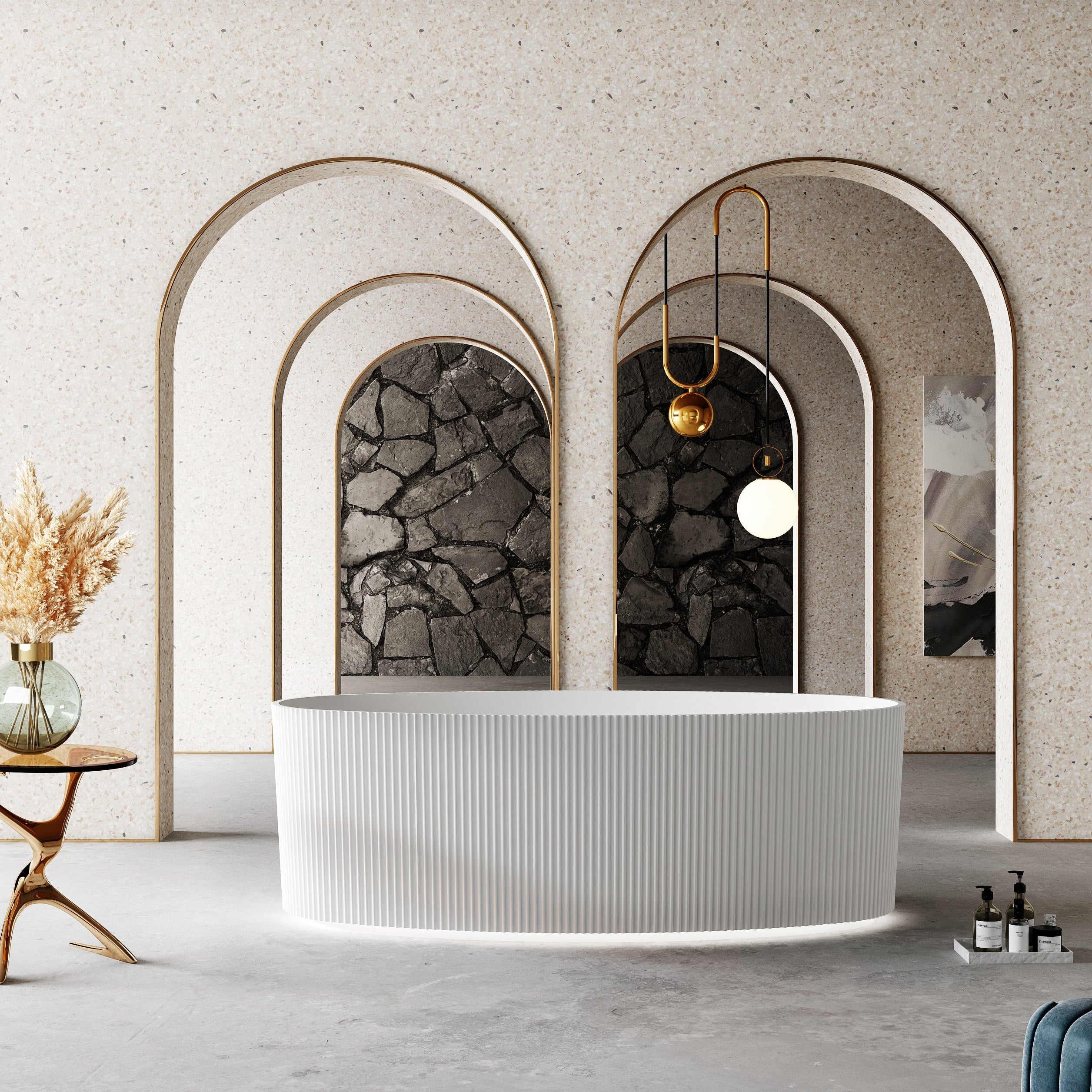

Before getting lost in bathtub styles and finishes, it helps to step back and focus on the real factors to consider when choosing a bathtub for your bathroom remodel. Learning how to choose a tub starts with function, not looks—your bathroom layout, daily habits, and installation limits all shape the right bathtub for your bathroom. These five checks help you choose the right bathtub without costly surprises during a bathroom remodel.
Key takeaways (scan this first)
-
Measure bathtub size—length, width, height, soaking depth, and drain location—before you shop (a common alcove size is 60" x 30–32").
-
Match the tub type to your layout: alcove, freestanding, drop-in, corner, walk-in, soaking/deep.
-
In 2026, acrylic is often the best all-around pick for price + durability, while cast iron is best for heat but may need extra floor support.
-
Plan the real budget: installation often adds 50–100% of the tub price; walk-in tubs can reach $8,000–$20,000 installed.
-
Confirm compatibility early: drain side, floor support, water heater capacity, and electric needs for jets.
How to Choose a Bathtub: Key Considerations When Choosing a Bathtub
If you only read one section, let it be this. When people ask “how to choose a tub”, they often focus on style, but the five most important factors are practicality and fit.
-
Bathroom measurements that matter (not just length)
Most tub problems start with one simple issue: people measure the opening, but not the full path the tub must travel, and not the plumbing it must match.
Start by measuring the tub space itself, but also measure the doorway, hallway turns, and any tight corners. A tub that fits the alcove can still be impossible to carry into the room.
Next, write down the specs you need to match when you shop: length, width, total height, and the basin’s usable space. Pay close attention to soaking depth. Many standard tubs feel shallow because their overflow is set low. As a comfort baseline, many adults prefer 14 inches or more of soaking depth, and deep soak models often reach 20 inches or more.
Then look at plumbing: where the drain sits, which side it’s on, and how the overflow lines up with the water depth you want. If you love baths and the overflow is low, you’ll always feel like the tub “won’t fill.”
One more measurement that people skip: floor load. Some tubs are light enough for most homes. Others can be extremely heavy, especially when filled with water and a person. If you live in an older home or have a second-floor bathroom, this can shape your choices early.
-
Usage needs (daily shower vs. long soaks vs. accessibility)
Ask yourself what the tub will do most days. Is it a daily shower-tub combo? Is it mainly for long soaks? Or is it an accessibility upgrade so someone can bathe safely?
A family bathroom usually needs a durable, easy-to-clean tub that works with a shower. If you bathe kids or pets, a tub with a practical shape and a surface that won’t stain easily matters more than fancy features.
If your dream is a quiet soak after work, comfort details move up the list—backrest angle, basin length, and soaking depth. If mobility is a concern, step-over height, non-slip flooring, and grab bar locations may matter more than the look of the tub.
-
Budget reality check (tub price vs. installed price)
A tub price tag is only part of the story. The installed price can jump quickly when you add demolition, plumbing changes, wall repair, waterproofing, and tile work.
A good planning habit is adding a 10–20% buffer. That buffer protects you from common surprises like damaged subfloors, out-of-date valves, or a drain that doesn’t line up the way you expected once the old tub is out.
-
Material choice (comfort, durability, maintenance)
This is where “best bathtub” lists can mislead you, because the best material depends on your priorities.
If you want a warm feel, easy cleaning, and a tub that’s not too heavy, acrylic often fits well. If you want maximum heat retention and a “forever” tub, cast iron can be excellent—but it may require structural planning. If your top priority is the lowest upfront cost, carbon fiber can work, but you should expect more wear over time.
You’ll also see resin tubs, especially in modern freestanding styles. Resin can feel solid and smooth, but the right pick depends on the specific resin blend and surface finish. (More on resin vs acrylic in the materials section.)
-
Installation constraints (what forces your decision)
Even if you find the perfect bathtub, your bathroom might not allow it without major changes.
An alcove tub usually connects to existing plumbing locations with fewer changes. A freestanding tub can require moving supply lines and drains into the floor, which can raise labor cost and risk. Whirlpool or air tubs often need electrical power and a service access panel, which can be difficult in a tight remodel.
Permits and code requirements vary by location, but many areas require licensed work for plumbing and electrical changes. When you’re unsure, a quick conversation with a plumber before you buy can prevent the most painful mismatch: a tub you can’t legally or safely install as planned.
Step 1 — Size of the Bathtub: Finding the Perfect Tub for Your Space
Measurements aren’t glamorous, but they are the fastest way to narrow bathtub options and avoid return headaches. If you’re replacing a tub, you’re not just choosing a new bathtub—you’re choosing how much you want to disturb what’s behind the walls.
Standard bathtub sizes (and what “standard” really means)
People often hear “standard tub” and assume all alcove tubs are identical. In practice, “standard” is a starting point, not a promise.
A common standard bathtub size for an alcove bathtub is 60 inches long and 30–32 inches wide. But small differences matter: wall tile thickness, backer board, tub skirt shape, and apron thickness can change fit. Even the shape of the rim can affect how the surround meets the tub.
Here’s a practical size reference to help you plan.
| Tub type | Common size range (L x W) | Notes |
| Alcove tub | 60" x 30–32" | Most common in hall baths; often used with showers |
| Freestanding tub | 60–72" x 30–36" | Needs more clearance around the tub |
| Walk-in bathtub | 48–60" x 28–30" | Designed for safe entry; often deeper |
| Corner bathtub | ~60" x 60" | Can feel roomy but takes floor space |
| Drop-in bathtub | Varies widely | Needs a deck or surround frame |
A quick scenario: if you have a 5x8 bathroom, a larger bathtub may technically fit, but the room can feel tight and the door swing can become awkward. That’s why it helps to measure not only the tub footprint, but also the “standing space” you need to move safely when the floor is wet.
Drain and faucet placement checklist (high-miss detail)
Drain placement is one of the easiest ways to turn a simple swap into a costly plumbing job. Even when the tub length matches, the drain can be offset by inches.
Use this three-step check before you buy:
-
Stand at the foot of the current tub (the end with the drain). Is the drain on the left or the right?
-
Measure from the back wall to the center of the drain (and note it). Don’t guess.
-
Confirm the new tub’s drain orientation and rough-in location match your notes.
If you’re changing from shower-only to a shower-tub combo, also think about the spout and valve. A tub spout needs correct reach and height so water lands inside the tub, not against the wall or outside the basin. This is one reason plumbers often prefer keeping the plumbing in the same general location when possible.
Step 2 — Choose the Right Tub Type for Your Layout
Now you can choose the bathtub type with fewer “what ifs” and narrow down the right type of tub for your space. The right bathtub for your bathroom is usually the one that fits the room’s shape and the home’s daily habits, not the one with the most dramatic photo.
Compare bathtub types (pros, cons, best-for)
| Bathtub type | Best for | Main upside | Main downside | Typical tub-only price range |
| Alcove bathtub | Small bathrooms, families | Easiest replacement, good for shower combos | Limited access on three sides | $300–$1,500 |
| Freestanding / clawfoot bathtub | Spacious baths, style-focused remodels | Visual “centerpiece,” flexible placement | Often needs floor plumbing changes | $1,000–$5,000+ |
| Drop-in bathtub | Custom designs, built-in decks | Clean look with tile or stone surround | Requires framing and more finish work | $500–$3,000+ |
| Corner tub | Large corners, spa-like feel | Can feel roomy | Uses lots of floor space | $800–$4,000+ |
| Walk-in tub | Aging-in-place, safer bathing | Low entry and support features | Higher cost, longer fill time | $2,000–$10,000+ |
| Soaking tub / deep soaking bathtub | People who want depth | Deeper water, better full-body soak | Higher water use and weight | $700–$6,000+ |
This is also where the question “What are the 4 types of baths?” comes up. People mean different things by that, but in home remodeling the four most common setup types are: alcove, freestanding, drop-in, and corner. Walk-in and soaking tubs are also common, but they’re often treated as specialty types because of depth, entry style, or added safety features.
Decision shortcuts (fast matching by bathroom size)
If you’re working with a smaller bathroom, you usually want the simplest layout. An alcove tub is often the easiest choice because the plumbing and waterproof walls are already built around that idea.
In a primary suite, a freestanding soaking tub can be a great fit if you have enough clearance and the budget for plumbing adjustments. People often love the look, then discover they also need to plan where the faucet will go and how the drain will run in the floor.
For accessibility remodels, a walk-in bathtub can be worth it when the goal is safety and independence. If you’re planning for aging in place, it helps to think ahead: Will the door swing direction work? Will a seat height feel natural to stand up from? Can someone assist if help is needed?
Step 3 — Pick a Material That Fits Your Lifestyle (Not Just Looks)
When you’re trying to choose the best material for bathtub, especially the best material for freestanding bathtub, focus on comfort, durability, and long-term maintenance. A tub material comparison is less about “good vs bad” and more about tradeoffs.
Materials comparison (cost, heat retention, durability, weight)
This tub material comparison highlights the most common types of tubs materials on the market, including acrylic, cast iron, carbon fiber, and steel.
| Bathtub material | Typical tub-only cost | Heat retention | Weight (approx.) | Maintenance feel | Expected longevity (typical) |
| Acrylic bathtub | $300–$2,000 | Very good | 60–100 lbs | Easy with mild cleaners | Often 15–30 years |
| carbon fiber tub | $200–$1,000 | Good | 40–80 lbs | Easy, but can dull/scratch | Often 10–15 years |
| Cast iron tub (porcelain enamel) | $800–$3,000 | Excellent | 300–1,000+ lbs | Tough surface, but chips are hard to fix | Often 25–50+ years |
| Steel tub (porcelain enamel) | $300–$1,500 | Fair to good | 70–200 lbs | Can chip; may feel cool at first | Often 15–30 years |
| Copper / specialty metals | $2,000–$6,000+ | Good | 200–400 lbs | Patina changes over time | Varies widely |
| Resin / stone-resin blends | $1,000–$5,000+ | Good | 150–400+ lbs | Depends on topcoat; can stain if neglected | Often 15–30 years |
These ranges vary by thickness and quality, but they’re useful when you’re comparing types of tubs materials side by side.
What is better, a resin or acrylic tub?
For many homes, an acrylic bathtub is the safer, simpler pick and is often considered one of the best bathtub materials for both alcove and freestanding designs. A resin tub can feel more solid and “stone-like,” which some people love, especially for a freestanding bathtub. The risk is that resin quality varies. Some resin tubs have great protective topcoats; others can be more prone to staining or surface wear if you use harsh cleaners or let bath products sit on the surface.
If you want a clear rule: choose acrylic when you want proven durability and easier handling during install. Consider resin when you want a heavier, more sculpted look and you’re comfortable following the care instructions closely.
Is a porcelain or acrylic tub better?
If “porcelain” means porcelain enamel over cast iron or steel, the best choice depends on your priorities.
Porcelain enamel can be very durable and holds up well to scrubbing, but it can chip if something heavy drops. Acrylic is less likely to chip, but it can scratch if you use abrasive cleaners. Acrylic also tends to feel warmer faster, which matters if you hate that cold first touch in the morning.
If you want the lowest effort day-to-day, many homeowners find acrylic simpler. If you want a heavy, classic tub that holds heat extremely well and you’re prepared for the weight, porcelain enamel over cast iron can be a long-term winner.
Maintenance and cleaning expectations (lifecycle cost angle)
Think about your real routine. Do you want to wipe the tub down quickly, or are you okay with special care?
Most tubs do best with mild, non-abrasive cleaners. Abrasive powders and rough pads can scratch acrylic and carbon fiber and can dull some finishes. With porcelain enamel, harsh cleaners are less likely to scratch, but a chip is more permanent and harder to hide.
A small personal example: I once lived in a rental with an older carbon fiber tub that looked fine from a distance. Up close, the surface had turned slightly rough from years of abrasive cleaning. Soap scum stuck to it faster, so cleaning took longer, which meant it got cleaned less, which made it look worse. That cycle is real. When you choose a bathtub material that stays smooth, you often save time every week.
Step 4 — Budget & Total Cost (2026 Price Ranges)
Budget questions are usually the make-or-break moment when buying a bathtub, because a new bathtub can cost far more once installation is included. It’s also where people feel misled, because they see a low tub price and assume the project will be cheap.
A better approach is to plan in two layers: tub-only cost, then installed cost.
Typical 2026 cost tiers (tub-only vs installed)
| Project level | Example tub choice | Typical tub-only cost | Typical installed cost (range) |
| Basic replacement | Acrylic alcove tub | $300–$1,500 | $3,000–$7,000 |
| Mid-range upgrade | Deeper alcove or simple freestanding | $700–$3,000 | $5,000–$12,000 |
| Premium look | Freestanding soaking tub | $1,500–$6,000+ | $8,000–$15,000+ |
| Accessibility focus | Walk-in bathtub (often with seat) | $2,000–$10,000+ | $8,000–$20,000 |
Installed cost changes fast because labor is not just “set the tub in place.” It can include demolition, disposal, plumbing valves, drain work, waterproofing, wall board repair, tile, paint, trim, and sometimes subfloor repair.
What changes the price fastest
Moving drains and supply lines is one of the biggest cost multipliers, especially when you switch from an alcove tub to a freestanding setup with floor-mounted plumbing. Reinforcing the floor for heavy tubs can also add cost, especially on upper levels. Tile work and waterproofing scope can swing the budget widely. And if you add therapy features like jets, you may need an electrical circuit and a way to access the pump later.
Here’s a simple “budget worksheet” you can copy into a note or spreadsheet so you don’t forget hidden items.
| Cost item | Estimated range | Your number |
| Tub | $300–$6,000+ | |
| Demo + disposal | $300–$1,500+ | |
| Plumbing labor/parts | $500–$3,000+ | |
| Waterproofing + wall repair | $300–$2,500+ | |
| Tile/finish work | $500–$5,000+ | |
| Electrical (if needed) | $300–$1,500+ | |
| Buffer (10–20%) | — |
This is also where the question “What tubs do plumbers recommend?” usually comes from. Many plumbers recommend tubs that minimize surprises: common sizes, proven materials (often acrylic for lighter weight and easier handling), and designs that keep the drain location and supply lines close to existing plumbing. That doesn’t mean you can’t choose something bold. It means you should budget honestly if your tub choice forces major changes.
Step 5 — Comfort, Ergonomics & Features (Soak Test Before You Buy)
A bathtub can match every measurement and still feel wrong when you sit in it. Comfort is personal, but some specs are almost always tied to a better soak.
Comfort specs that matter
Soaking depth is the headline, but it’s not the whole story. A deep tub with a slippery slope can make you slide down. A shallower tub with a supportive backrest can feel better for a long bath.
Basin length matters if you’re tall. Two tubs can both be “60 inches,” yet one has a longer interior because the walls are thinner or the ends are shaped differently. If you’re shopping in person, sit back and imagine where your shoulders and knees will land. If you’re shopping online, look for interior basin dimensions, not just the outside.
Rim height is another comfort detail that turns into a daily annoyance when it’s wrong. A higher rim can look modern and hold more water, but it can be harder to step over. If you’re planning long-term use, it’s worth thinking ahead: will this still feel safe ten years from now?
What shape tub is most comfortable?
For many people, an oval or gently curved interior feels the most natural because it supports the back and gives a bit more shoulder room. Rectangular tubs can be comfortable too, especially if they have a sloped backrest, but some straight-sided tubs feel like sitting in a box.
If you share the tub with kids, a more rectangular shape can be practical because it has predictable space for bathing and rinsing. If your goal is adult comfort, a shape that supports your upper back usually wins.
Therapy features (jets vs air) + upkeep
Therapy features can be great when they match your routine. They can also become something you never use if they’re loud, hard to clean, or complicated.
A whirlpool tub typically uses 8–20 jets that push water. An air tub often uses 100+ small air ports for a gentler feel. Both can add cost and usually require electricity. Both also need regular cleaning cycles so water doesn’t sit in the system.
If you know you won’t run a cleaning cycle, it may be better to skip jets and spend that money on a deeper soaking tub with a comfortable backrest.
Accessibility options (2026 aging-in-place trend)
In 2026, more homeowners are planning bathrooms for long-term use, not just resale photos. Accessibility can be subtle—you don’t have to install a full walk-in bathtub to make bathing safer.
According to the U.S. Centers for Disease Control and Prevention (CDC), falls are one of the leading causes of injury among older adults, and bathrooms are a high-risk area due to wet surfaces and limited balance support. Simple design choices like non-slip tub surfaces, properly placed grab bars, and reasonable step-over heights can significantly reduce fall risk without changing the overall look of the bathroom.
If you do choose a walk-in tub, pay close attention to threshold height, seat comfort, door swing, and how long it takes to fill and drain. Waiting in a tub while it drains can be uncomfortable if the bathroom is cool, so it’s worth asking about fast-drain options and how they’re serviced.
Step 6 — Installation Planning (DIY vs Pro, Timeline, Compatibility)
A bathtub is big, awkward, and tied into plumbing and waterproofing. Even confident DIY homeowners sometimes choose professional help because one small mistake can cause water damage.
DIY vs professional install (when each makes sense)
A like-for-like acrylic alcove swap can be a reasonable DIY project for skilled homeowners who understand waterproofing details and can handle the tub safely. It can still take longer than expected because walls rarely come apart cleanly, and old plumbing can fight back.
Professional installation often makes sense when any of these are true: you’re moving the drain, switching tub type (like alcove to freestanding), installing a heavy cast iron tub, adding jets that need electrical work, or repairing subfloor damage. These are the “small change, big consequences” moments, where experience pays for itself.
Water heater capacity check (often overlooked)
Deep soaking tubs can use more hot water than many people expect. The U.S. Department of Energy notes that hot water demand from large fixtures—such as soaking tubs—can exceed the capacity of standard water heaters, especially in homes with older or undersized systems.
Evaluating water heater size and recovery rate is an important step when upgrading to a deeper bathtub. If your current water heater barely supports a normal shower, a deep soak can easily lead to lukewarm bathwater halfway through filling.
A simple rule of thumb: if you’re moving to a deeper tub, consider whether a 50–75 gallon water heater (or an equivalent setup) is needed for the fill volume you want. The exact answer depends on tub capacity, incoming water temperature, and how hot you set the heater. A plumber can estimate this quickly once you choose a tub model.
Pre-purchase compatibility checklist (printable)
Use this as a final step-by-step check before you commit:
-
Confirm drain side (left/right) and rough-in distance.
-
Confirm overflow height matches your soaking goal.
-
Confirm the tub can fit through doorways and turns.
-
Confirm floor support, especially for heavier tubs.
-
Confirm valve/spout placement works for a shower-tub combo.
-
Confirm electrical needs for jets or heated features.
-
Confirm you have an access panel plan for pumps (if needed).
-
Read the warranty and confirm what actions void coverage (some finishes require specific cleaning rules).
Step 7 — Warranties & How to Compare Reviews Without Getting Tricked
When you’re buying a bathtub for your home, reviews can help—but only if you read them with a filter. The goal is to spot patterns, not one-off stories.
Warranties: what to compare
Since you’ll see many warranty formats, it helps to compare terms by category rather than by marketing language.
| Warranty item to check | What it usually covers | Why it matters |
| Surface or finish | Fading, peeling, some discoloration | Finish issues can make a new tub look old fast |
| Structural shell | Cracks or defects in the tub body | This is the “does it last” promise |
| Parts (jets, pumps, controls) | Components on therapy tubs | Repairs can be costly without coverage |
| Labor coverage | Sometimes included for a short time | Parts may be covered, but labor often isn’t |
If a warranty is long but full of strict conditions, it may not help much. Look for clear language about what cleaning products are allowed and what counts as normal wear.
Review-reading framework (simple and practical)
When you scan reviews, focus on people who sound like they actually installed and used the tub for a while. Look for details like “installed last year,” “used daily,” or “we bathe kids in it.” Those comments often mention real issues like flexing, scratching, or how easy it is to keep clean.
Be cautious with extremely cheap listings for very heavy materials. If many reviewers mention chipped enamel or damaged delivery, that can point to packaging or quality issues that turn into long-term problems.
FAQ
1. What is the most common bathtub size?
The most common bathtub size is still the classic 60 inches long by 30–32 inches wide alcove tub, especially in hall bathrooms and older homes. This size works well because most builders design plumbing and wall spacing around it.
That said, “common” doesn’t mean “guaranteed to fit.” Tile thickness, wall backer, tub apron shape, and even how straight your walls are can affect the real opening. Before you assume a new tub will drop right in, measure the actual space wall to wall and check where the drain sits. Even a half-inch difference can turn an easy replacement into a headache.
2. Acrylic vs carbon fiber: which lasts longer?
In most real homes, acrylic tubs usually last longer than carbon fiber. Acrylic is thicker, more rigid, and less likely to flex when you stand or sit in it. Over time, that extra rigidity helps prevent surface wear and stress cracks.
carbon fiber tubs can be fine for lighter use or short-term solutions, but they tend to dull, scratch, and feel rough faster—especially if abrasive cleaners are used. If you’re choosing for a main bathroom or long-term use, acrylic is often worth the slightly higher upfront cost.
3. How much does it cost to replace a bathtub in 2026?
In 2026, many basic bathtub replacements land around $3,000–$7,000 installed, assuming you’re swapping a similar tub and keeping plumbing mostly in place. That usually includes removing the old tub, installing a new acrylic alcove tub, and doing basic wall repair.
Costs climb quickly if you move the drain, upgrade tile, repair subfloors, or switch tub types. Freestanding tubs, deeper soaking tubs, and walk-in tubs often push the total into the $8,000–$15,000+ range. The key takeaway: the tub price is only part of the story—labor and scope drive the final number.
4. Do freestanding tubs require special plumbing?
Often, yes. Many freestanding tubs need floor-mounted drains and supply lines, which means opening the floor and adjusting plumbing that wasn’t exposed before. That extra work adds labor time and cost.
Some freestanding tubs are designed to align with existing drains, but you still need to confirm rough-in measurements carefully. It’s one reason freestanding tubs look simple in photos but can be more complex behind the scenes. A quick check with a plumber before buying can tell you whether your space is “freestanding-friendly” or not.
5. What soaking depth is considered “deep”?
Most people consider 20 inches or more of soaking depth to be “deep,” but depth alone doesn’t guarantee comfort. The shape of the tub, the backrest angle, and where the overflow is placed all affect how well the tub actually soaks your body.
Some tubs advertise big depth numbers but feel awkward because you slide down or can’t lean back comfortably. A slightly shallower tub with good support can feel better than a deeper one with poor ergonomics. When possible, look at interior basin depth and user reviews, not just the spec sheet.
Conclusion
Knowing how to choose a bathtub comes down to matching four things—so you can confidently choose the perfect bathtub for your home and your bathroom remodel. If you start by confirming space and plumbing—especially drain side and overflow height—then compare tub types and materials using installed cost instead of tub-only pricing, you can avoid the most common remodel regrets.
If you want one next step, print the compatibility checklist and use it before you buy. And if you’re changing tub type, going heavier, or adding jets, ask a plumber to confirm the drain plan and water-heater capacity first.
References